


FREE QUOTE CALL OR TEXT
0424 408 330
Trusted by Builders, Strata Managers & Property Owners
GET YOUR JOB BOOKED IN AND FINISHED TODAY !!
"*" indicates required fields
Floor Levelling Site Inspections Sydney – FREE On-Site Assessments
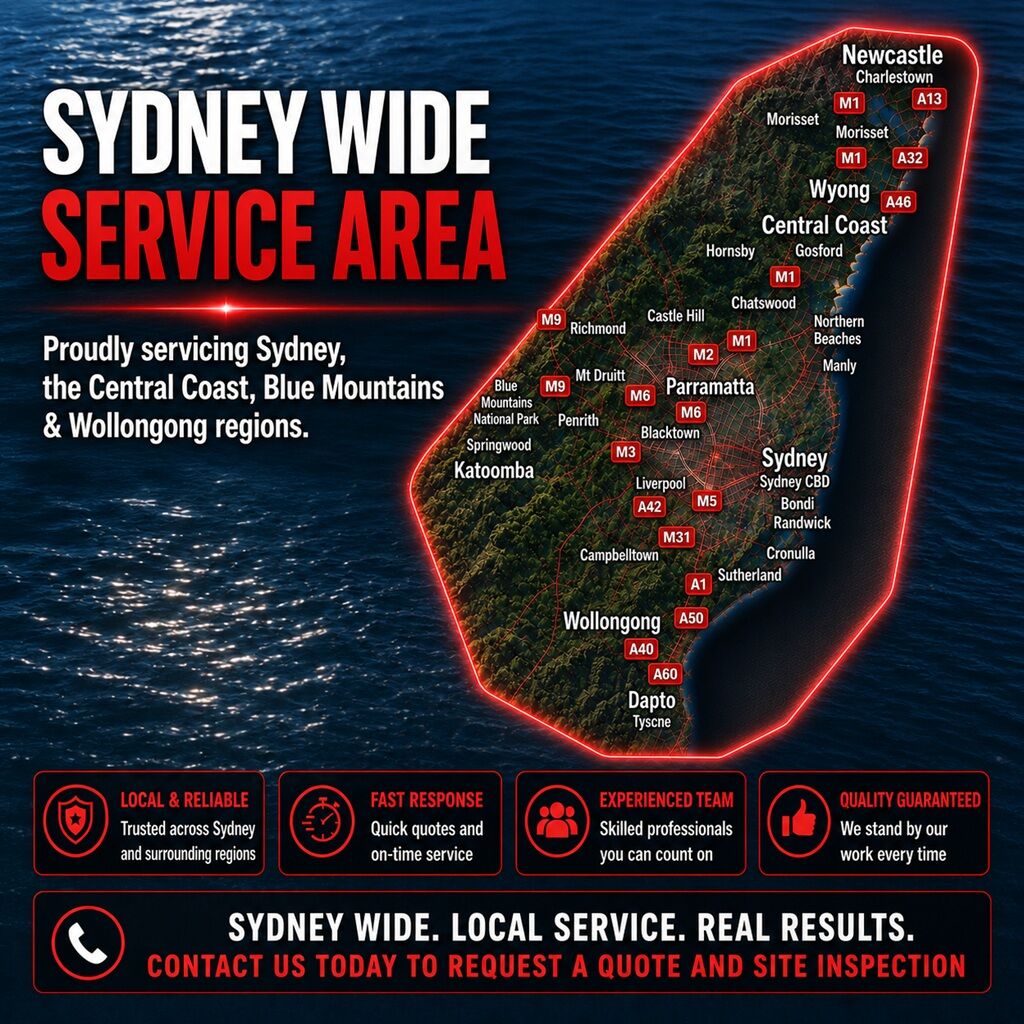
At Floor Levelling Sydney, we provide complimentary, obligation-free floor levelling site inspections across Greater Sydney to help property owners identify uneven, out-of-level, or unsuitable subfloors before new flooring is installed.
Our experienced technicians carry out detailed on-site assessments to determine the cause of floor height variations, surface irregularities, substrate defects, or compliance issues that may affect the performance of your finished flooring.
Understanding the underlying problem is critical to achieving a long-lasting levelling result. After assessing factors such as slab condition, moisture levels, structural movement, previous floor coverings, and required tolerances, we recommend the most appropriate floor levelling system for your property.
If you’ve noticed uneven floors, cracking, slope issues, or preparation concerns in your residential or commercial space, contact our team to book a FREE On-site Floor Levelling Inspection. We’ll assess the area, explain your levelling options, and provide a clear, detailed quote for the best long-term solution.
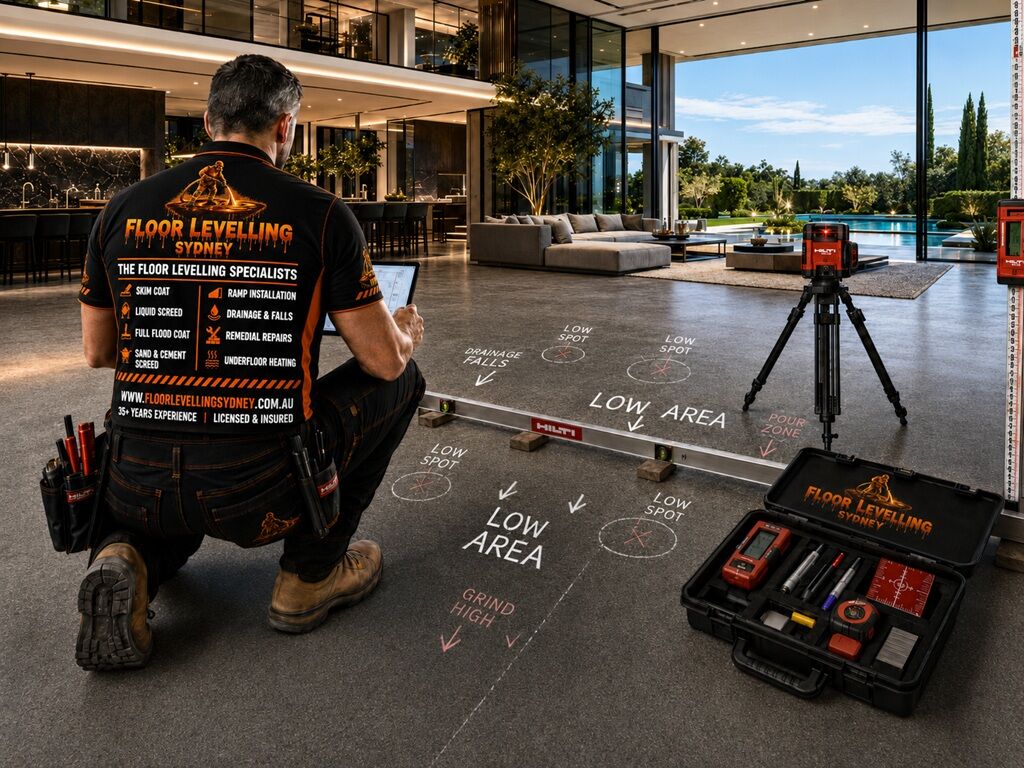
10 Common Indicators That Your Property May Require Floor Levelling
1. Uneven or Sloping Floors
Floors that feel out of level, slope noticeably, or vary in height from one area to another are a clear sign that levelling is required before new flooring is installed.
2. Cracks in the Concrete Slab
Cracking can cause height inconsistencies and affect floor stability. Levelling may be required to correct surface irregularities after repairs.
3. Lipping Between Slab Sections
Raised edges or step-downs between slab pours or panels often require grinding and levelling to achieve a flat surface.
4. Poor Drainage or Water Pooling
Water collecting on internal floors or wet areas indicates fall or slope issues that must be corrected through levelling or screeding.
5. Failed Previous Levelling Work
Old or poorly installed levelling compounds may crack, lift, or debond, requiring removal and re-levelling.
6. Floor Height Differences Between Rooms
Transitions between rooms that are noticeably higher or lower often require levelling to meet flooring manufacturer tolerances.
7. Removal of Old Floor Coverings
Once carpet, tiles, vinyl, timber, or adhesive residues are removed, the underlying slab often requires levelling before new flooring installation.
8. Substrate Not Suitable for New Flooring
Many modern floor coverings require strict flatness tolerances. An inspection confirms whether levelling is necessary for compliance.
9. Structural or Settlement Movement
Building movement can cause dips, humps, or uneven surfaces that need correction before flooring is installed.
10. Failed Flooring Installations
Premature flooring failure (lifting, cracking, gapping) often points to an uneven or poorly prepared subfloor that requires professional levelling.
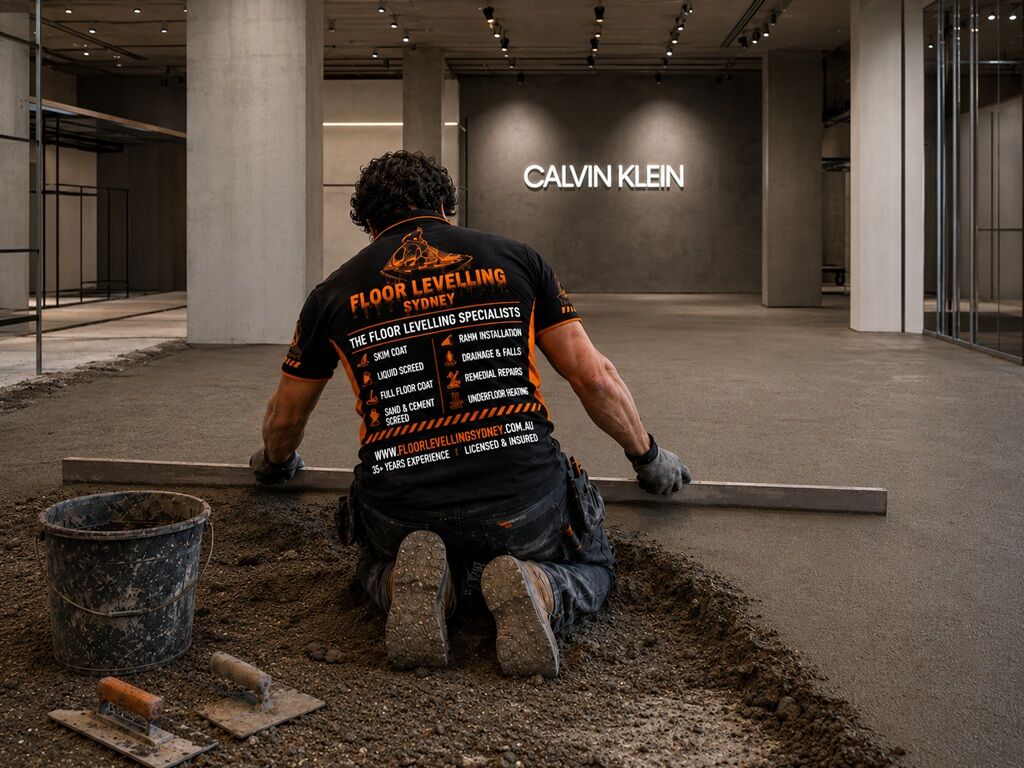
Our Floor Levelling Inspection & Assessment Process
Step 1: Free On-Site Floor Levelling Inspection
We begin with a comprehensive on-site inspection. Our team assesses the slab condition, floor flatness, and overall suitability for levelling and prepares an obligation-free quote.
Step 2: Identifying the Cause
We determine why the floor is uneven—whether due to slab movement, construction tolerances, moisture issues, or previous floor removals.
Step 3: Mapping Affected Areas
Uneven sections, high points, and low points are identified and mapped to determine the most effective levelling approach.
Step 4: Surface Preparation Assessment
We assess what preparation is required, including grinding, shot blasting, adhesive removal, or crack repairs.
Step 5: Moisture & Substrate Evaluation
Where required, moisture levels and substrate conditions are evaluated to ensure compatibility with levelling products.
Step 6: Selecting the Correct Levelling System
Based on the inspection, we recommend the most suitable system—skim coats, self-levelling compounds, screeds, or ramp installations.
Step 7: Tolerance & Flooring Compatibility Check
We confirm that the proposed levelling system meets manufacturer flatness and height tolerance requirements for your chosen flooring.
Step 8: Structural Considerations (If Required)
If structural issues are identified, we advise on remedial works before levelling proceeds.
Step 9: Detailed Scope of Works
A clear scope is prepared outlining preparation, materials, application depth, curing times, and sequencing.
Step 10: Transparent Quote & Recommendations
You receive a detailed, fixed-price quote with clear recommendations for achieving a flat, compliant, long-lasting floor.
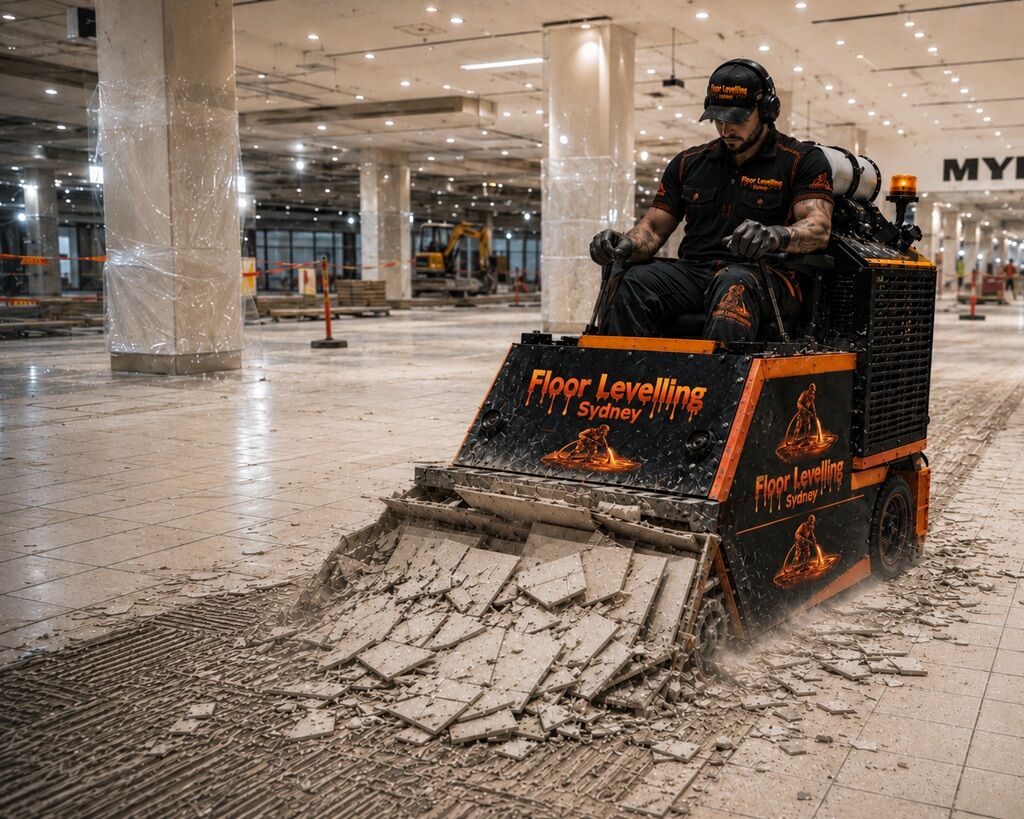
Book A Concrete Cancer Repair Inspection In Sydney
If you have noticed cracked concrete, rust staining, exposed reinforcement, loose concrete, concrete spalling, falling concrete or moisture-related deterioration, it is important to investigate the problem before it becomes more extensive.
Floor Levelling Sydney can inspect the affected area, assess the condition of the concrete and reinforcement, identify visible signs of corrosion and provide a clear quote for concrete cancer repairs, reinforcement treatment, concrete patching or related remedial works.
Call or text 0424 408 330 or fill out or Contact Form to book a concrete cancer repair inspection in Sydney.


FREE QUOTE CALL OR TEXT
0424 408 330
Trusted by Builders, Strata Managers & Property Owners
GET YOUR JOB BOOKED IN AND FINISHED TODAY !!
"*" indicates required fields
"*" indicates required fields
"*" indicates required fields