

FREE QUOTE CALL OR TEXT
0424 408 330
Trusted by Builders, Strata Managers & Property Owners
GET YOUR JOB BOOKED IN AND FINISHED TODAY !!
"*" indicates required fields
Frequently Asked Questions
How Much Does Professional Floor Levelling Cost?
The average cost of professional floor levelling typically ranges between $40 – $65 Per Square Metre*. Pricing is influenced by the condition of the existing floor, the level of surface correction required, and the preparation needed to achieve a stable, long-lasting base for new flooring.
Final pricing is confirmed after assessing the substrate, access conditions, and performance requirements of the finished floor system.
What Impacts The Cost Of Floor Levelling?
TOTAL FLOOR AREA:
Larger floor areas often allow for more efficient use of labour and materials, which can help reduce the overall cost per square metre.
SUBFLOOR TYPE:
Concrete slabs, timber floors, particleboard, and compromised substrates each require different preparation methods, impacting labour time and material selection.
DEGREE OF UNEVENNESS:
Floors with dips, height variations, or structural inconsistencies require thicker levelling applications and additional labour, increasing overall cost.
SURFACE PREPARATION REQUIREMENTS:
Concrete grinding, removal of unstable material, and necessary structural repairs may be required before levelling can commence, affecting final pricing.
CONDITION OF THE EXISTING SUBFLOOR:
A stable, well-prepared subfloor helps streamline the floor levelling process and control costs. Subfloors that are damaged, cracked, or structurally compromised typically require additional preparation, increasing both labour and material requirements.
*Pricing is indicative only and may vary depending on site conditions, preparation requirements, and project complexity.
Click Here To Learn More About “How Much Floor Levelling Costs Per Square Metre”
Is Concrete Grinding Required Before Floor Levelling?
Concrete Grinding is often recommended before floor levelling, but it is not required in every situation. Whether grinding is necessary depends on the condition of the existing subfloor and the level of surface preparation needed to ensure proper bonding and long-term performance.
Grinding is commonly required because it removes high spots, opens surface pores, and creates a clean, mechanically keyed surface for the floor levelling compound. If the subfloor has coatings, adhesives, paint, epoxy, old tile glue, or surface contamination such as oil, dust, or laitance, grinding helps eliminate these barriers so the levelling material can bond correctly.
Floor grinding is also important where the subfloor shows signs of cracking, surface degradation, or weak and friable areas. Removing compromised material exposes a stable base, allowing repairs and floor levelling systems to perform as intended.
That said, concrete grinding is not always essential. If the subfloor is already clean, structurally sound, and reasonably flat, lighter preparation methods may be sufficient. In some cases, modern primers and high-performance floor levelling compounds can bond effectively to lightly textured or prepared surfaces without aggressive grinding.
A professional inspection is the most reliable way to determine whether grinding is required and to ensure the floor levelling system achieves a smooth, durable, and long-lasting result.
How Long Does The Floor Levelling Process Take?
The floor levelling process can take anywhere from several hours to a few days, depending on the size of the area, the type of levelling system used, and the level of preparation required. Most standard residential floor levelling projects are typically completed within 1 to 3 days from start to finish.
The overall timeframe is influenced by several key stages:
SURFACE PREPARATION:
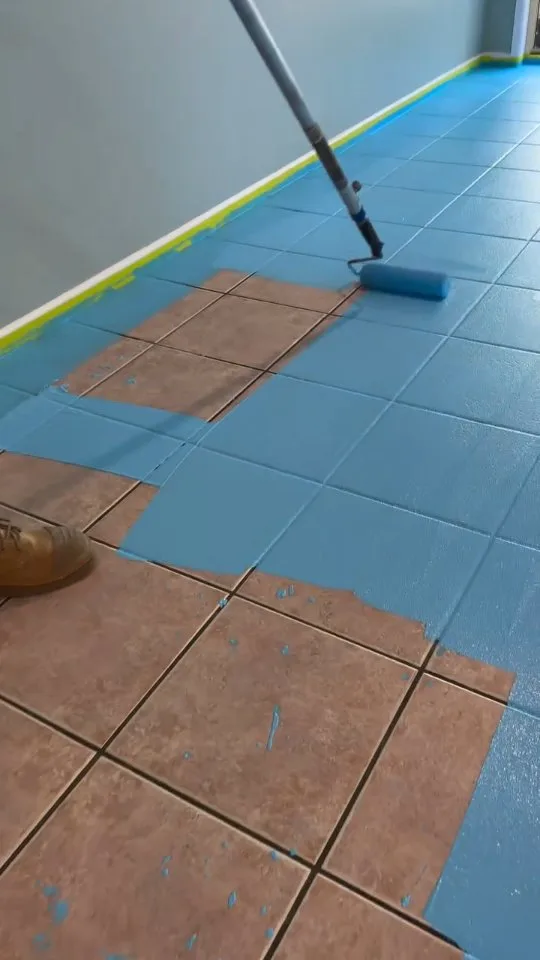
Preparation includes cleaning the subfloor, applying primers, and carrying out any required repairs. This stage can take several hours or longer if grinding, crack repairs, or moisture treatment is needed.
LEVELLING APPLICATION:
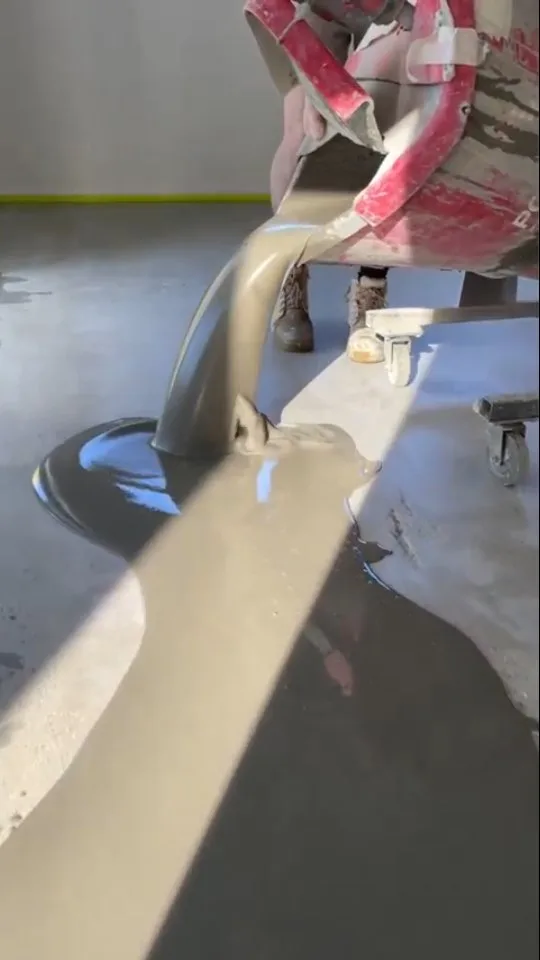
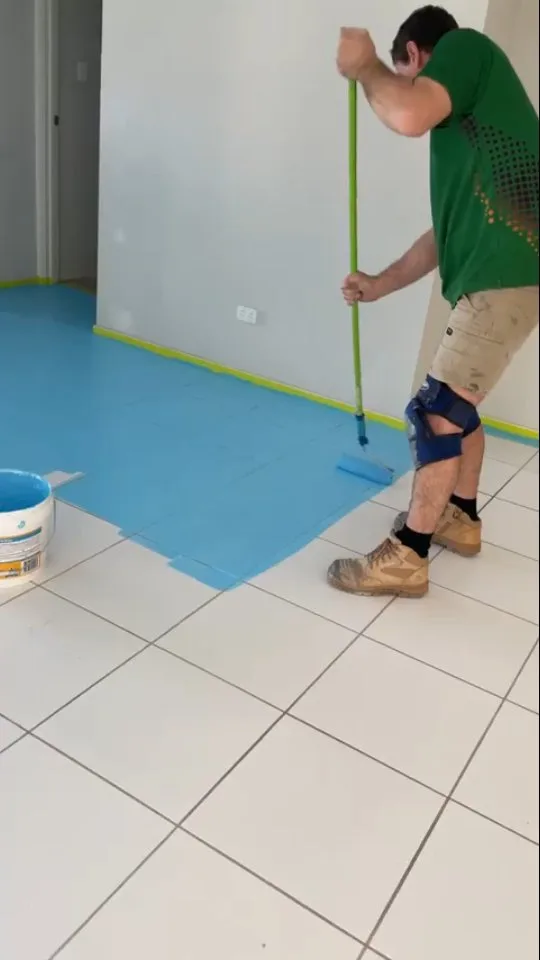
Self-levelling compounds are usually applied in a single pour and begin to set within a few hours. Larger areas or thicker applications may require additional time to place and finish correctly.
DRYING AND CURING:
Many floor levelling systems are walkable within hours of application. However, a curing period of up to 24 hours is commonly recommended before installing floor coverings such as tiles, vinyl, carpet, or timber.
PROJECT-SPECIFIC CONDITIONS:
Drying and curing times can be affected by factors such as compound thickness, ambient temperature, ventilation, and humidity. These conditions are assessed to ensure the levelling system performs as intended.
A professional assessment allows the correct floor levelling system and installation timeframe to be confirmed before work begins.
What Types Of Floor Levelling Services Do You Offer?
We provide a complete range of professional floor levelling services designed to suit different subfloor conditions, floor finishes, and performance requirements. Each floor levelling method is selected based on surface condition, thickness requirements, and the intended use of the space to ensure a flat, durable, and installation-ready result.
SKIM COAT FLOOR LEVELLING:
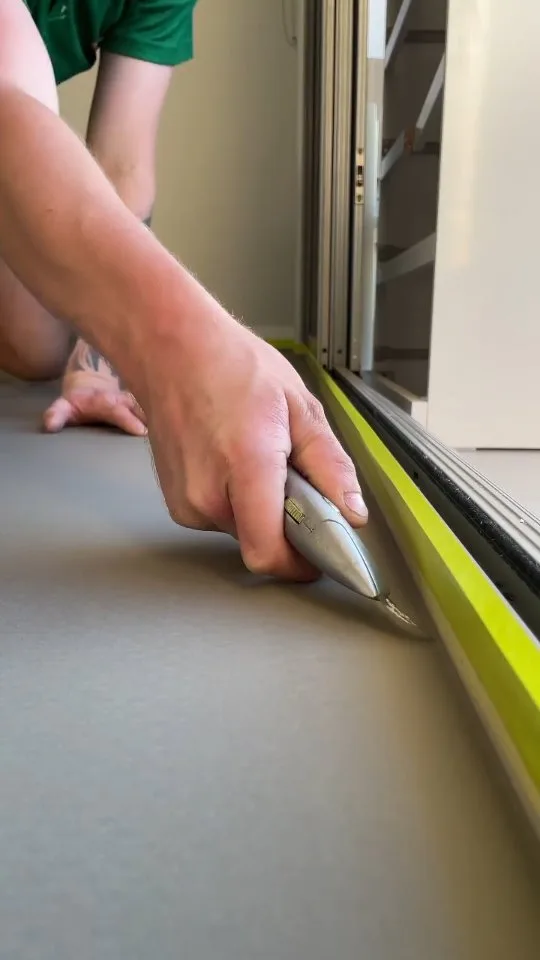
Skim coats are used to correct minor surface imperfections by applying a thin, refined layer over the subfloor. This process smooths light dips, surface marks, and small inconsistencies, creating an even base for sensitive floor coverings such as vinyl, hybrid flooring, carpet, or tiles.
FULL FLOOD COAT LEVELLING:
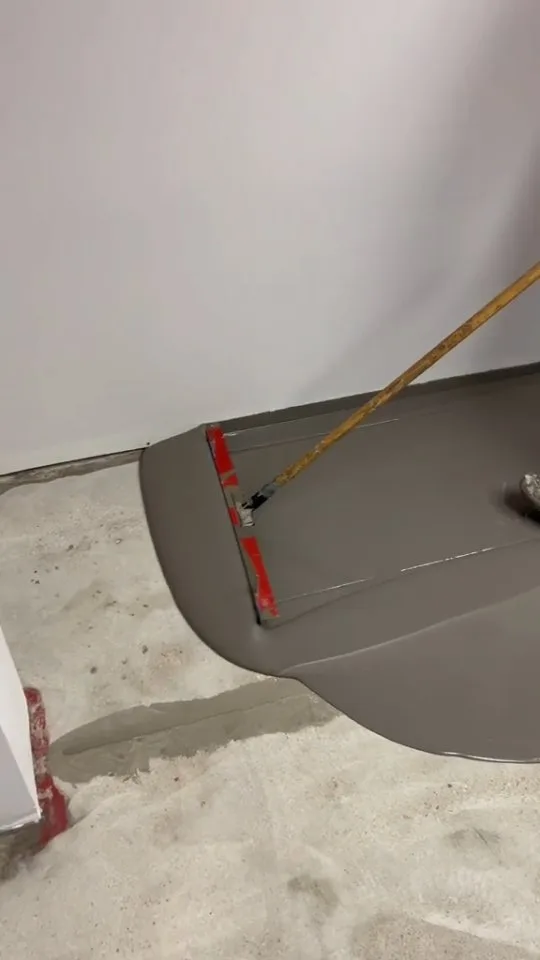
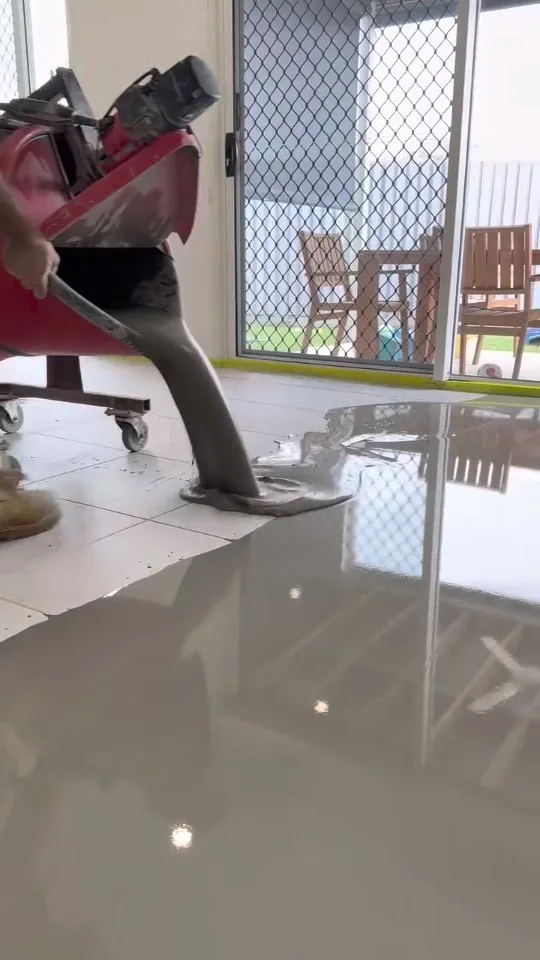
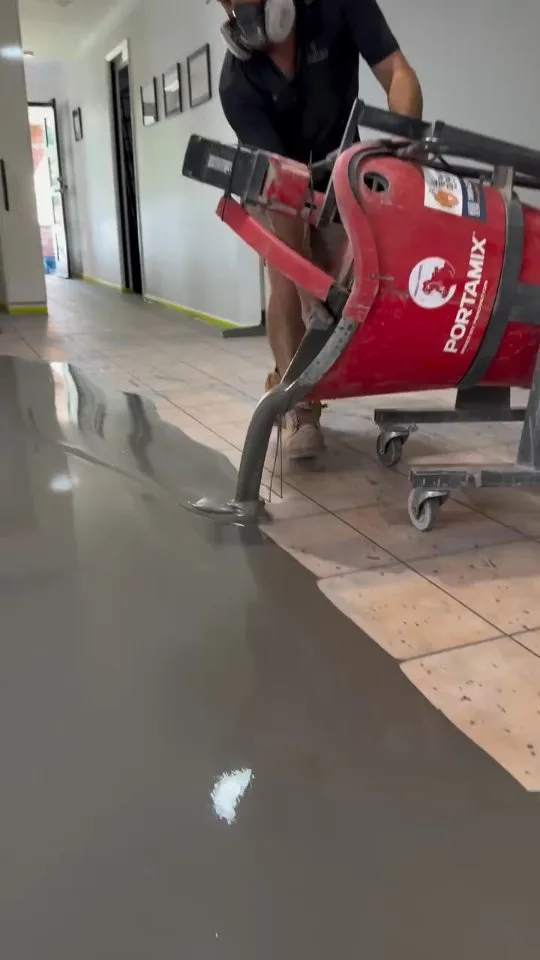
Full flood coats are applied when a floor has widespread unevenness or varying height levels across the area. The levelling compound is poured over the entire surface to produce a uniform finish from edge to edge, making it ideal for preparing floors prior to large-format or continuous floor installations.
LIQUID SCREED SYSTEMS:
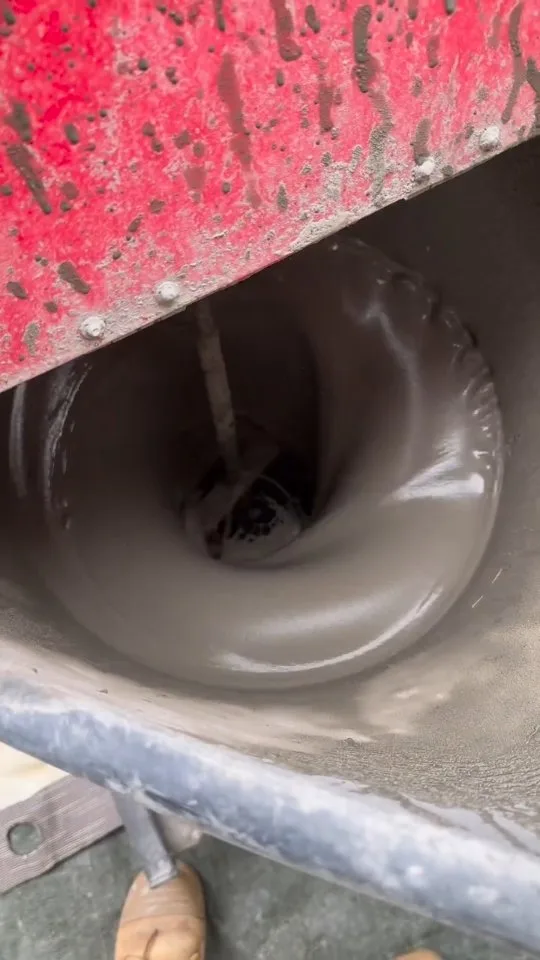
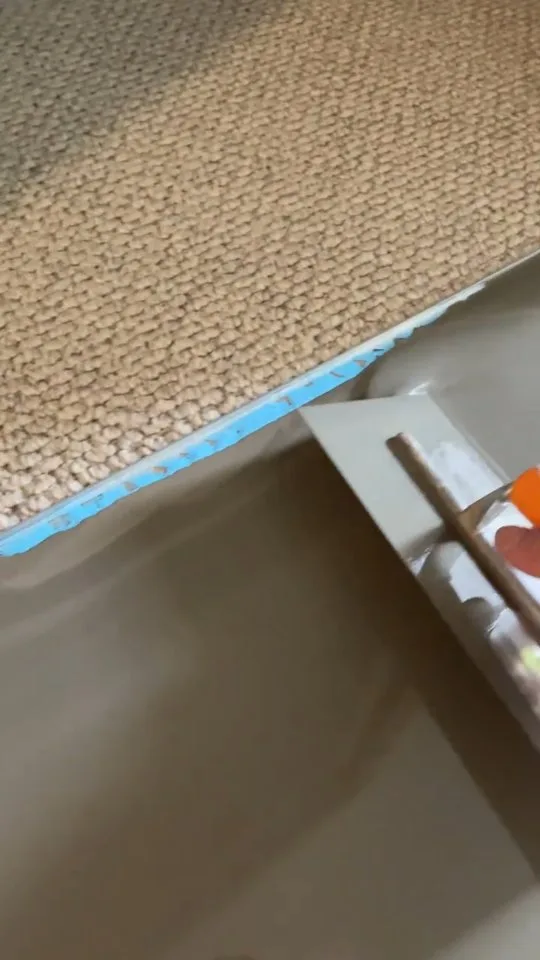
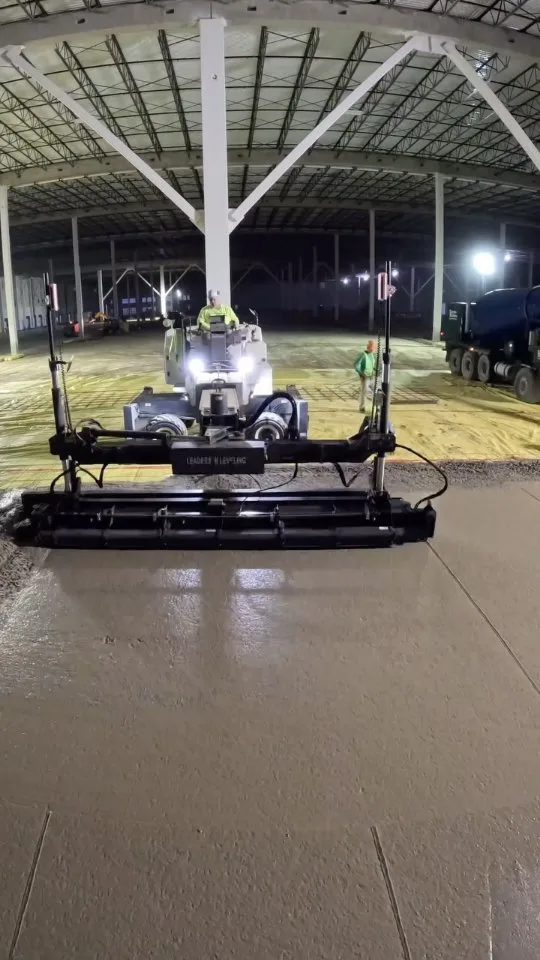
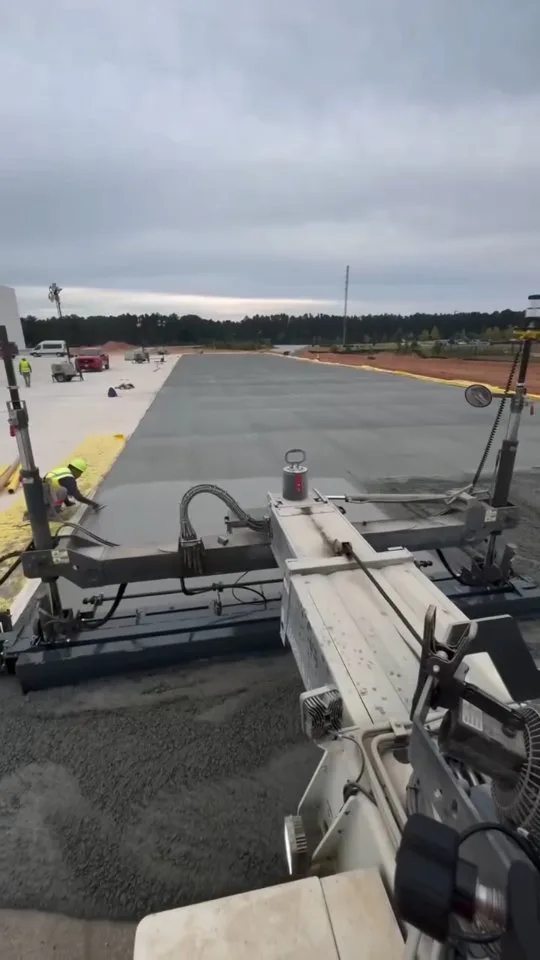
Liquid screeds are a high-performance floor levelling solution commonly used in larger areas or where speed and precision are required. These free-flowing compounds naturally settle into low points, producing a smooth, consistent surface with excellent strength and dimensional accuracy.
SAND AND CEMENT SCREEDS:
Traditional sand and cement screeds provide a robust, load-bearing floor levelling system. This method is suited to areas requiring greater build-up, enhanced durability, or controlled gradients, and is commonly used in both residential and commercial applications.
FLOOR LEVELLING RAMPS:
Floor levelling ramps are used to manage changes in height between rooms, levels, or adjoining floor finishes. Ramps are formed to precise gradients to ensure safe transitions, accessibility compliance, and long-term durability in both residential and commercial environments.
FALLS FOR WET AREAS:
We form accurate falls for wet areas to ensure correct water drainage and compliance with building requirements. Floor levelling for falls is commonly required in bathrooms, laundries, balconies, commercial kitchens, and other moisture-prone zones to prevent water pooling and long-term damage.
Do You Supply And Install Underfloor Heating With Floor Levelling?
Yes, underfloor heating systems can be supplied and installed as part of the floor levelling process. When heating is required beneath the finished flooring, the system is installed prior to applying levelling compounds to ensure correct placement and long-term performance.
Heating elements are carefully positioned, secured, and fully encapsulated within a precision-applied floor levelling layer. This creates a smooth, even surface while protecting the heating system and allowing for efficient, consistent heat distribution across the floor.
Floor levelling over underfloor heating ensures the finished surface is flat, stable, and ready for the installation of tiles, vinyl, timber, or other floor coverings, while maintaining optimal thermal efficiency.
Are Floor Levelling Compounds Suitable For All Subfloor Types?
Modern floor levelling compounds are compatible with a wide range of subfloor types, not just concrete. While the preparation process varies depending on the substrate, most surfaces can be successfully levelled when the correct primers, sealers, and preparation methods are used.
Concrete subfloors that are clean, sound, and properly primed are generally well suited to floor levelling systems. Timber-based subfloors require additional preparation, such as sealing, reinforcing, or moisture control, to ensure the levelling compound bonds correctly and performs long term without movement or failure.
The suitability of any subfloor is determined during assessment to ensure the levelling system selected is compatible with the existing structure and intended floor finish.
Common Subfloors Suitable For Floor Levelling
Floor levelling systems can be applied over many prepared surfaces, including:
– Plywood
– Particleboard
– Concrete slabs
– Timber and hardwood flooring
– Existing tiled floors (after correct preparation)
Each subfloor type requires specific preparation steps to achieve proper adhesion and durability.
Subfloors Not Suitable For Floor Levelling
Self-levelling compounds MUST NOT be applied over Magnesite Flooring. Magnesite is moisture-sensitive, unstable, and prone to deterioration beneath levelling materials. Applying levelling compounds over magnesite can lead to delamination, structural failure, and long-term flooring issues.
Where magnesite is present, it must be fully removed and replaced with a suitable substrate before floor levelling can be carried out.
Why Is Floor Levelling Required?
Floor levelling is a critical step in achieving a stable, durable, and high-performing flooring system. It creates a flat, even subfloor that supports correct installation, improves safety, and protects the long-term integrity of the finished floor.
Below are the key reasons why professional floor levelling is essential:
ENSURES CORRECT FLOOR INSTALLATION:
Most flooring materials—including vinyl, tiles, timber, hybrid, and laminate—require a flat subfloor within strict tolerances. Uneven surfaces can cause flooring to lift, crack, separate, or fail prematurely once installed.
IDENTIFIES AND ADDRESSES UNDERLYING ISSUES:
Uneven floors may indicate deeper problems such as subfloor movement, moisture damage, or structural deterioration. Floor levelling allows these issues to be identified and corrected before they lead to more serious and costly repairs.
IMPROVES SAFETY THROUGHOUT THE SPACE:
Slopes, dips, and uneven transitions increase the risk of trips and falls. Proper floor levelling creates a safer, more accessible surface, particularly in high-traffic areas or environments used by children, older occupants, or those with mobility concerns.
EXTENDS THE LIFE OF FLOOR COVERINGS:
Flooring installed over an uneven base is subjected to uneven stress and movement, leading to accelerated wear and damage. Floor levelling provides a stable, uniform foundation that significantly improves the lifespan of the finished floor.
ENHANCES COMFORT AND USABILITY:
Walking on an uneven floor can feel unstable and uncomfortable underfoot. A level surface delivers a consistent, solid feel that improves comfort and overall usability of the space.
PREVENTS VISUAL DEFECTS AND INSTALLATION ISSUES:
Humps, dips, and high spots can be visible through finished flooring and detract from the appearance of the room. Floor levelling eliminates these imperfections and ensures a clean, professional result.
PROTECTS FLOORING WARRANTIES:
Many flooring manufacturers require the subfloor to meet specific flatness tolerances. Skipping or poorly performing floor levelling can void product warranties, leaving no coverage if issues arise later.
REDUCES NOISE AND FLOOR MOVEMENT:
Uneven or poorly supported subfloors often lead to squeaking, movement, or “bounce” in the floor. Floor levelling fills voids, stabilises the surface, and creates a solid, quiet floor underfoot.
AVOIDS COSTLY FAILURES AND REWORK:
Cutting corners on floor levelling often results in early flooring failure and expensive remedial work. Proper levelling ensures the flooring system is installed correctly the first time.
When carried out correctly, floor levelling improves comfort, appearance, durability, and long-term performance. It is one of the most important investments you can make to ensure your flooring looks good, feels solid, and performs as intended for years to come.
How Thick Can Self-Levelling Concrete Be Applied?
The maximum thickness of self-levelling compounds depends on the specific product, its intended use, and manufacturer guidelines. While formulations vary, there are widely accepted industry ranges that determine how much material can be applied safely in a single application during floor levelling works.
STANDARD APPLICATION THICKNESS:
Most self-levelling compounds are designed to be applied within the following ranges:
– Approximately 6 mm to 25 mm in a single pour
– Some heavy-duty or high-performance systems can be applied up to 38 mm, depending on the product specification
These compounds are engineered to flow freely, fill low spots, and cure to a smooth, level surface without compromising strength or surface integrity.
INCREASED THICKNESS WITH AGGREGATE EXTENSION:
Where greater build-up is required, certain self-levelling compounds can be extended with clean aggregate, such as pea gravel. When installed correctly and in accordance with manufacturer instructions, this method allows for substantially thicker applications, typically in the range of:
– 50 mm to 125 mm, depending on system design and substrate conditions
Aggregate-extended levelling is commonly used for heavily uneven subfloors or areas requiring significant height correction. Correct mix ratios, placement methods, and curing conditions are critical to ensure long-term performance and structural stability.
The appropriate thickness for any floor levelling application is determined during assessment to ensure the selected system meets both performance requirements and manufacturer specifications.
Should Existing Flooring Be Removed Before Floor Levelling?
In most situations, existing floor coverings should be removed before floor levelling begins. Removing the old flooring allows levelling compounds to bond directly to the subfloor, which is essential for achieving proper adhesion, structural stability, and long-term performance.
Many floor coverings can trap moisture, shift over time, or interfere with primers and levelling products. Exposing the bare subfloor allows its condition to be fully assessed and ensures any damage, unevenness, or substrate issues are addressed before floor levelling is carried out.
Removing existing flooring also ensures the levelling system creates a smooth, uniform surface capable of supporting new floor finishes without movement or premature failure.
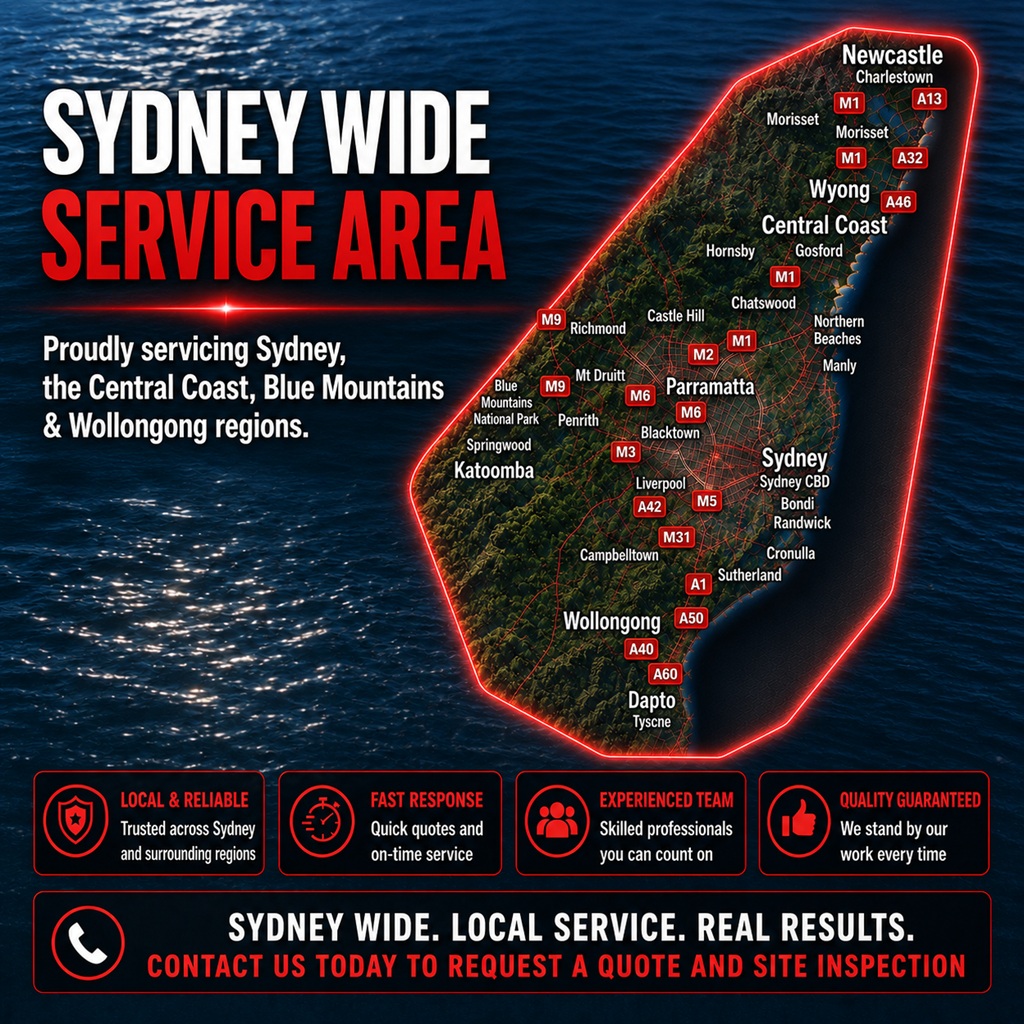
What Areas In Sydney Do We Service?
Floor Levelling Sydney floor levelling and floor preparation services across Sydney, Greater Sydney, Newcastle, Wollongong, and surrounding service regions.
We commonly service:
– Sydney CBD
– Inner West
– Eastern Suburbs
– Northern Beaches
– Lower North Shore
– Upper North Shore
– Northern Sydney
– The Hills District
– North West Sydney
– Ryde
– St George
– Sutherland Shire
– South Sydney
– South West Sydney
– Western Sydney
– Greater Western Sydney
Common service areas include:
– Chatswood
– North Sydney
– Ryde
– Parramatta
– Castle Hill
– Bella Vista
– Hornsby
– Brookvale
– Mona Vale
– Bondi
– Randwick
– Mascot
– Botany
– Alexandria
– Miranda
– Hurstville
– Kogarah
– Liverpool
– Bankstown
– Campbelltown
– Blacktown
– Penrith
– Wetherill Park
– Silverwater
– Seven Hills
– Prestons
– Ingleburn
We work across residential homes, apartment buildings, strata properties, commercial buildings, industrial sites and government properties.
Frequently Asked Questions
How Much Does Professional Floor Levelling Cost?
The average cost of professional floor levelling typically ranges between $40 – $65 Per Square Metre*. Pricing is influenced by the condition of the existing floor, the level of surface correction required, and the preparation needed to achieve a stable, long-lasting base for new flooring.
Final pricing is confirmed after assessing the substrate, access conditions, and performance requirements of the finished floor system.
What Impacts The Cost Of Floor Levelling?
TOTAL FLOOR AREA:
Larger floor areas often allow for more efficient use of labour and materials, which can help reduce the overall cost per square metre.
SUBFLOOR TYPE:
Concrete slabs, timber floors, particleboard, and compromised substrates each require different preparation methods, impacting labour time and material selection.
DEGREE OF UNEVENNESS:
Floors with dips, height variations, or structural inconsistencies require thicker levelling applications and additional labour, increasing overall cost.
SURFACE PREPARATION REQUIREMENTS:
Concrete grinding, removal of unstable material, and necessary structural repairs may be required before levelling can commence, affecting final pricing.
CONDITION OF THE EXISTING SUBFLOOR:
A stable, well-prepared subfloor helps streamline the floor levelling process and control costs. Subfloors that are damaged, cracked, or structurally compromised typically require additional preparation, increasing both labour and material requirements.
*Pricing is indicative only and may vary depending on site conditions, preparation requirements, and project complexity.
Click Here To Learn More About “How Much Floor Levelling Costs Per Square Metre”
Is Concrete Grinding Required Before Floor Levelling?
Concrete Grinding is often recommended before floor levelling, but it is not required in every situation. Whether grinding is necessary depends on the condition of the existing subfloor and the level of surface preparation needed to ensure proper bonding and long-term performance.
Grinding is commonly required because it removes high spots, opens surface pores, and creates a clean, mechanically keyed surface for the floor levelling compound. If the subfloor has coatings, adhesives, paint, epoxy, old tile glue, or surface contamination such as oil, dust, or laitance, grinding helps eliminate these barriers so the levelling material can bond correctly.
Floor grinding is also important where the subfloor shows signs of cracking, surface degradation, or weak and friable areas. Removing compromised material exposes a stable base, allowing repairs and floor levelling systems to perform as intended.
That said, concrete grinding is not always essential. If the subfloor is already clean, structurally sound, and reasonably flat, lighter preparation methods may be sufficient. In some cases, modern primers and high-performance floor levelling compounds can bond effectively to lightly textured or prepared surfaces without aggressive grinding.
A professional inspection is the most reliable way to determine whether grinding is required and to ensure the floor levelling system achieves a smooth, durable, and long-lasting result.
How Long Does The Floor Levelling Process Take?
The floor levelling process can take anywhere from several hours to a few days, depending on the size of the area, the type of levelling system used, and the level of preparation required. Most standard residential floor levelling projects are typically completed within 1 to 3 days from start to finish.
The overall timeframe is influenced by several key stages:
SURFACE PREPARATION:
Preparation includes cleaning the subfloor, applying primers, and carrying out any required repairs. This stage can take several hours or longer if grinding, crack repairs, or moisture treatment is needed.
LEVELLING APPLICATION:
Self-levelling compounds are usually applied in a single pour and begin to set within a few hours. Larger areas or thicker applications may require additional time to place and finish correctly.
DRYING AND CURING:
Many floor levelling systems are walkable within hours of application. However, a curing period of up to 24 hours is commonly recommended before installing floor coverings such as tiles, vinyl, carpet, or timber.
PROJECT-SPECIFIC CONDITIONS:
Drying and curing times can be affected by factors such as compound thickness, ambient temperature, ventilation, and humidity. These conditions are assessed to ensure the levelling system performs as intended.
A professional assessment allows the correct floor levelling system and installation timeframe to be confirmed before work begins.
What Types Of Floor Levelling Services Do You Offer?
We provide a complete range of professional floor levelling services designed to suit different subfloor conditions, floor finishes, and performance requirements. Each floor levelling method is selected based on surface condition, thickness requirements, and the intended use of the space to ensure a flat, durable, and installation-ready result.
SKIM COAT FLOOR LEVELLING:
Skim coats are used to correct minor surface imperfections by applying a thin, refined layer over the subfloor. This process smooths light dips, surface marks, and small inconsistencies, creating an even base for sensitive floor coverings such as vinyl, hybrid flooring, carpet, or tiles.
FULL FLOOD COAT LEVELLING:
Full flood coats are applied when a floor has widespread unevenness or varying height levels across the area. The levelling compound is poured over the entire surface to produce a uniform finish from edge to edge, making it ideal for preparing floors prior to large-format or continuous floor installations.
LIQUID SCREED SYSTEMS:
Liquid screeds are a high-performance floor levelling solution commonly used in larger areas or where speed and precision are required. These free-flowing compounds naturally settle into low points, producing a smooth, consistent surface with excellent strength and dimensional accuracy.
SAND AND CEMENT SCREEDS:
Traditional sand and cement screeds provide a robust, load-bearing floor levelling system. This method is suited to areas requiring greater build-up, enhanced durability, or controlled gradients, and is commonly used in both residential and commercial applications.
FLOOR LEVELLING RAMPS:
Floor levelling ramps are used to manage changes in height between rooms, levels, or adjoining floor finishes. Ramps are formed to precise gradients to ensure safe transitions, accessibility compliance, and long-term durability in both residential and commercial environments.
FALLS FOR WET AREAS:
We form accurate falls for wet areas to ensure correct water drainage and compliance with building requirements. Floor levelling for falls is commonly required in bathrooms, laundries, balconies, commercial kitchens, and other moisture-prone zones to prevent water pooling and long-term damage.
Do You Supply And Install Underfloor Heating With Floor Levelling?
Yes, underfloor heating systems can be supplied and installed as part of the floor levelling process. When heating is required beneath the finished flooring, the system is installed prior to applying levelling compounds to ensure correct placement and long-term performance.
Heating elements are carefully positioned, secured, and fully encapsulated within a precision-applied floor levelling layer. This creates a smooth, even surface while protecting the heating system and allowing for efficient, consistent heat distribution across the floor.
Floor levelling over underfloor heating ensures the finished surface is flat, stable, and ready for the installation of tiles, vinyl, timber, or other floor coverings, while maintaining optimal thermal efficiency.
Are Floor Levelling Compounds Suitable For All Subfloor Types?
Modern floor levelling compounds are compatible with a wide range of subfloor types, not just concrete. While the preparation process varies depending on the substrate, most surfaces can be successfully levelled when the correct primers, sealers, and preparation methods are used.
Concrete subfloors that are clean, sound, and properly primed are generally well suited to floor levelling systems. Timber-based subfloors require additional preparation, such as sealing, reinforcing, or moisture control, to ensure the levelling compound bonds correctly and performs long term without movement or failure.
The suitability of any subfloor is determined during assessment to ensure the levelling system selected is compatible with the existing structure and intended floor finish.
Common Subfloors Suitable For Floor Levelling
Floor levelling systems can be applied over many prepared surfaces, including:
– Plywood
– Particleboard
– Concrete slabs
– Timber and hardwood flooring
– Existing tiled floors (after correct preparation)
Each subfloor type requires specific preparation steps to achieve proper adhesion and durability.
Subfloors Not Suitable For Floor Levelling
Self-levelling compounds MUST NOT be applied over Magnesite Flooring. Magnesite is moisture-sensitive, unstable, and prone to deterioration beneath levelling materials. Applying levelling compounds over magnesite can lead to delamination, structural failure, and long-term flooring issues.
Where magnesite is present, it must be fully removed and replaced with a suitable substrate before floor levelling can be carried out.
Why Is Floor Levelling Required?
Floor levelling is a critical step in achieving a stable, durable, and high-performing flooring system. It creates a flat, even subfloor that supports correct installation, improves safety, and protects the long-term integrity of the finished floor.
Below are the key reasons why professional floor levelling is essential:
ENSURES CORRECT FLOOR INSTALLATION:
Most flooring materials—including vinyl, tiles, timber, hybrid, and laminate—require a flat subfloor within strict tolerances. Uneven surfaces can cause flooring to lift, crack, separate, or fail prematurely once installed.
IDENTIFIES AND ADDRESSES UNDERLYING ISSUES:
Uneven floors may indicate deeper problems such as subfloor movement, moisture damage, or structural deterioration. Floor levelling allows these issues to be identified and corrected before they lead to more serious and costly repairs.
IMPROVES SAFETY THROUGHOUT THE SPACE:
Slopes, dips, and uneven transitions increase the risk of trips and falls. Proper floor levelling creates a safer, more accessible surface, particularly in high-traffic areas or environments used by children, older occupants, or those with mobility concerns.
EXTENDS THE LIFE OF FLOOR COVERINGS:
Flooring installed over an uneven base is subjected to uneven stress and movement, leading to accelerated wear and damage. Floor levelling provides a stable, uniform foundation that significantly improves the lifespan of the finished floor.
ENHANCES COMFORT AND USABILITY:
Walking on an uneven floor can feel unstable and uncomfortable underfoot. A level surface delivers a consistent, solid feel that improves comfort and overall usability of the space.
PREVENTS VISUAL DEFECTS AND INSTALLATION ISSUES:
Humps, dips, and high spots can be visible through finished flooring and detract from the appearance of the room. Floor levelling eliminates these imperfections and ensures a clean, professional result.
PROTECTS FLOORING WARRANTIES:
Many flooring manufacturers require the subfloor to meet specific flatness tolerances. Skipping or poorly performing floor levelling can void product warranties, leaving no coverage if issues arise later.
REDUCES NOISE AND FLOOR MOVEMENT:
Uneven or poorly supported subfloors often lead to squeaking, movement, or “bounce” in the floor. Floor levelling fills voids, stabilises the surface, and creates a solid, quiet floor underfoot.
AVOIDS COSTLY FAILURES AND REWORK:
Cutting corners on floor levelling often results in early flooring failure and expensive remedial work. Proper levelling ensures the flooring system is installed correctly the first time.
When carried out correctly, floor levelling improves comfort, appearance, durability, and long-term performance. It is one of the most important investments you can make to ensure your flooring looks good, feels solid, and performs as intended for years to come.
How Thick Can Self-Levelling Concrete Be Applied?
The maximum thickness of self-levelling compounds depends on the specific product, its intended use, and manufacturer guidelines. While formulations vary, there are widely accepted industry ranges that determine how much material can be applied safely in a single application during floor levelling works.
STANDARD APPLICATION THICKNESS:
Most self-levelling compounds are designed to be applied within the following ranges:
– Approximately 6 mm to 25 mm in a single pour
– Some heavy-duty or high-performance systems can be applied up to 38 mm, depending on the product specification
These compounds are engineered to flow freely, fill low spots, and cure to a smooth, level surface without compromising strength or surface integrity.
INCREASED THICKNESS WITH AGGREGATE EXTENSION:
Where greater build-up is required, certain self-levelling compounds can be extended with clean aggregate, such as pea gravel. When installed correctly and in accordance with manufacturer instructions, this method allows for substantially thicker applications, typically in the range of:
– 50 mm to 125 mm, depending on system design and substrate conditions
Aggregate-extended levelling is commonly used for heavily uneven subfloors or areas requiring significant height correction. Correct mix ratios, placement methods, and curing conditions are critical to ensure long-term performance and structural stability.
The appropriate thickness for any floor levelling application is determined during assessment to ensure the selected system meets both performance requirements and manufacturer specifications.
Should Existing Flooring Be Removed Before Floor Levelling?
In most situations, existing floor coverings should be removed before floor levelling begins. Removing the old flooring allows levelling compounds to bond directly to the subfloor, which is essential for achieving proper adhesion, structural stability, and long-term performance.
Many floor coverings can trap moisture, shift over time, or interfere with primers and levelling products. Exposing the bare subfloor allows its condition to be fully assessed and ensures any damage, unevenness, or substrate issues are addressed before floor levelling is carried out.
Removing existing flooring also ensures the levelling system creates a smooth, uniform surface capable of supporting new floor finishes without movement or premature failure.
What Areas In Sydney Do We Service?
Floor Levelling Sydney floor levelling and floor preparation services across Sydney, Greater Sydney, Newcastle, Wollongong, and surrounding service regions.
We commonly service:
– Sydney CBD
– Inner West
– Eastern Suburbs
– Northern Beaches
– Lower North Shore
– Upper North Shore
– Northern Sydney
– The Hills District
– North West Sydney
– Ryde
– St George
– Sutherland Shire
– South Sydney
– South West Sydney
– Western Sydney
– Greater Western Sydney
Common service areas include:
– Chatswood
– North Sydney
– Ryde
– Parramatta
– Castle Hill
– Bella Vista
– Hornsby
– Brookvale
– Mona Vale
– Bondi
– Randwick
– Mascot
– Botany
– Alexandria
– Miranda
– Hurstville
– Kogarah
– Liverpool
– Bankstown
– Campbelltown
– Blacktown
– Penrith
– Wetherill Park
– Silverwater
– Seven Hills
– Prestons
– Ingleburn
We work across residential homes, apartment buildings, strata properties, commercial buildings, industrial sites and government properties.
FREE QUOTE CALL OR TEXT
0424 408 330
Trusted by Builders, Strata Managers & Property Owners
GET YOUR JOB BOOKED IN AND FINISHED TODAY !!
"*" indicates required fields
"*" indicates required fields
"*" indicates required fields