

FREE QUOTE CALL OR TEXT
0424 408 330
Trusted by Builders, Strata Managers & Property Owners
GET YOUR JOB BOOKED IN AND FINISHED TODAY !!
"*" indicates required fields
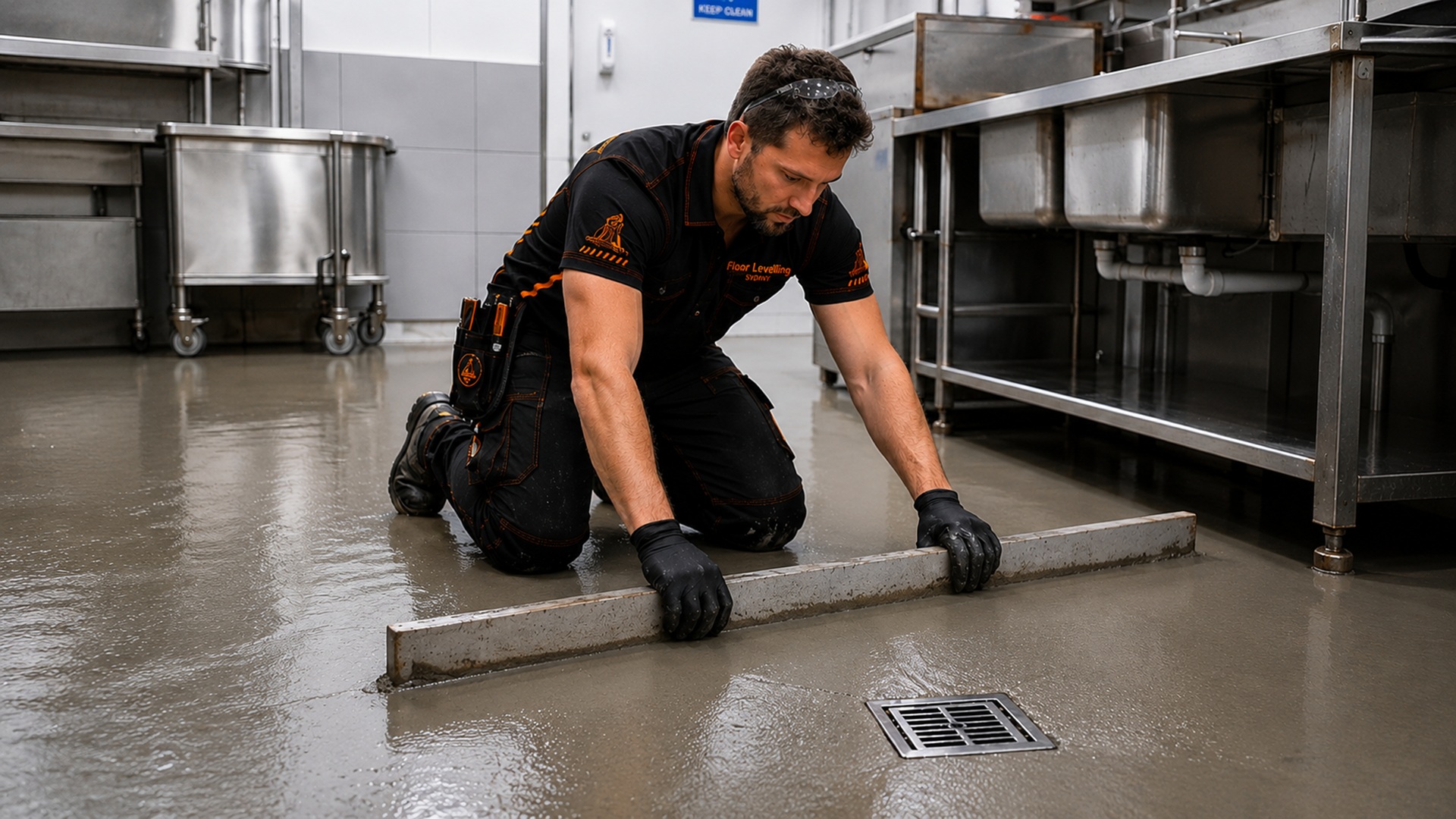
Falls For Wet Areas Sydney

Our specialist floor levelling team designs and installs precise falls for wet areas, ensuring correct drainage, compliance with Australian Standards, and long-term waterproofing performance.
We create accurate falls to floor wastes and drainage points using premium self-levelling and screeding systems, tailored for bathrooms, showers, laundries, balconies, terraces, plant rooms, and commercial wet areas. Every fall is engineered to promote efficient water runoff while maintaining a smooth, stable surface ready for waterproofing and tiling.
Whether correcting existing drainage issues or forming new falls as part of a renovation or construction project, we deliver reliable, code-compliant results that protect your structure and prevent water pooling, leaks, and premature failures.
Our team offers FREE Site Inspections and QUOTES for Falls For Wet Areas throughout Sydney.
FREE QUOTE CALL OR TEXT 0424 408 330
Trusted by Builders, Strata Managers & Property Owners
GET YOUR JOB BOOKED IN AND FINISHED TODAY !!
"*" indicates required fields

FREE PRICE BEAT GUARANTEE
QUOTE
We’ll Beat ALL Quotes By Up To 10%
Conditions apply. *Cannot be used in conjunction with any other offer.
Drainage And Falls For Wet Areas
Drainage And Falls For Wet Areas
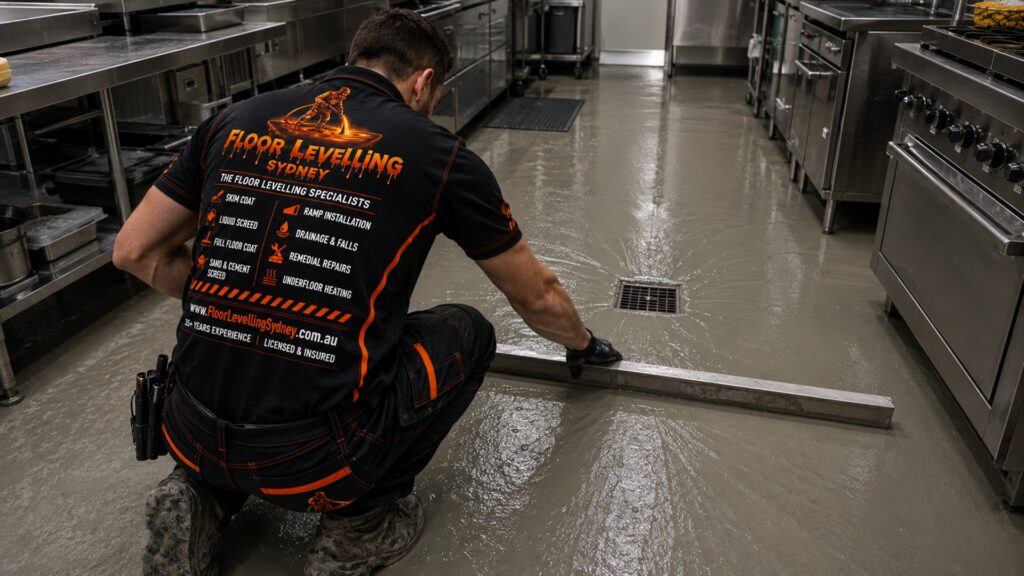
Why Choose Floor Levelling Sydney For Falls For Wet Areas?
There are many reasons clients choose Floor Levelling Sydney when they need accurate falls to drains in bathrooms, laundries, balconies, and other wet areas:
Over 35 Years of Experience:
With more than 35 years of hands-on experience in floor correction and wet area preparation, our team understands how to form precise falls and drainage gradients that support long-term waterproofing and tiling performance.
Precision Falls To Drains:
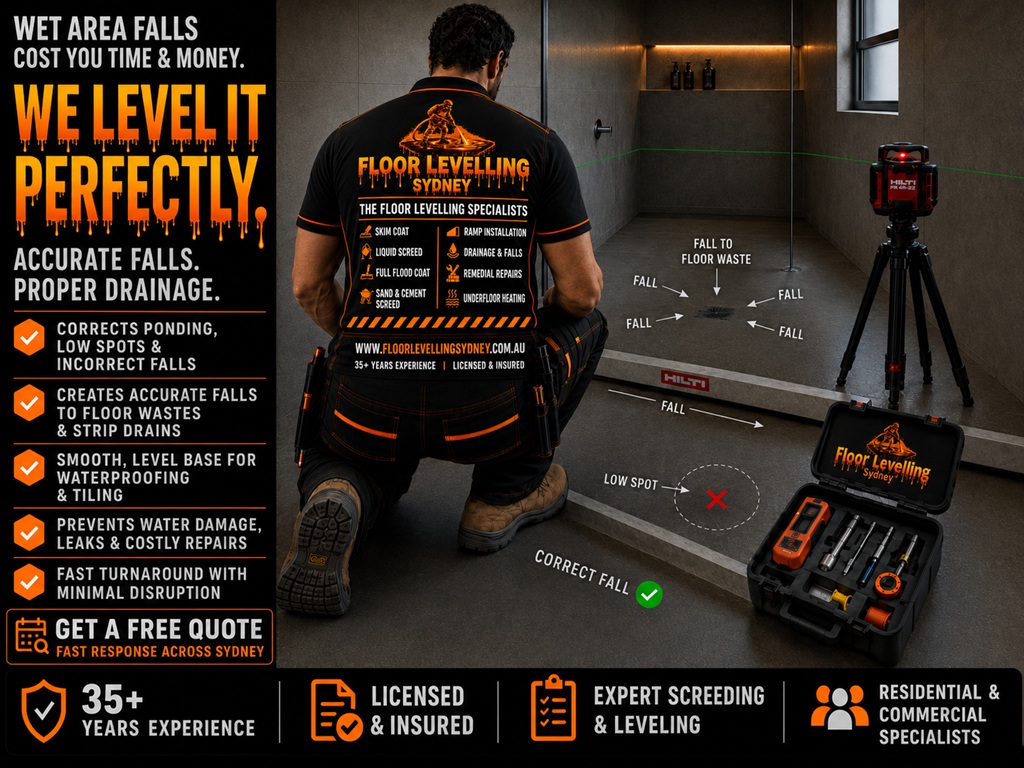
Wet areas require more than a flat floor — they require correct water direction. We form falls to floor wastes and strip drains with tight level control to help prevent pooling, ponding, and drainage failure.
Fully Licensed and Insured:
Our business holds all required licences and insurance, ensuring every job is completed professionally and in full compliance with industry and safety standards.
Dust-Controlled Preparation:
We use professional grinding and dust extraction systems during preparation, helping reduce airborne dust and keeping wet area environments cleaner during works.
Full-Service Substrate Preparation:
Before forming falls, we remove contaminants, adhesives, and coatings, repair minor substrate defects where required, and prepare surfaces properly so waterproofing systems and finishes can be installed correctly.
Premium, Compliant Materials:
We use high-quality, manufacturer-approved primers and levelling/screeding products suited to wet areas, helping ensure durability, consistent curing, and reliable performance.
Clear Communication And Reliable Scheduling:
We prioritise clear communication and efficient project coordination so wet area preparation stays on track and the next trades can proceed with confidence.
Tailored Solutions For Each Wet Area:
Every wet area is different. We assess drain locations, required gradients, substrate condition, and the intended finish, then form falls to suit the site and the waterproofing/tile system being installed.
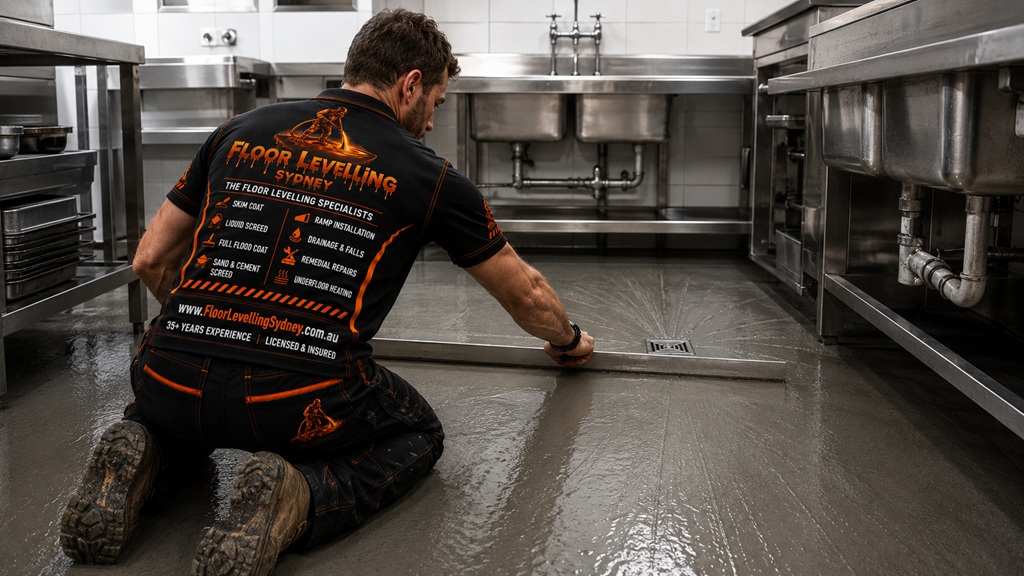
Falls For Wet Areas Services
At Floor Levelling Sydney, we specialise in forming accurate falls for wet areas, ensuring correct water drainage and reliable preparation for waterproofing and tiling systems.
Wet areas such as bathrooms, showers, laundries, balconies, and commercial wet zones require carefully engineered gradients rather than flat floors. Incorrect falls can lead to water pooling, drainage failure, membrane issues, and long-term moisture damage.
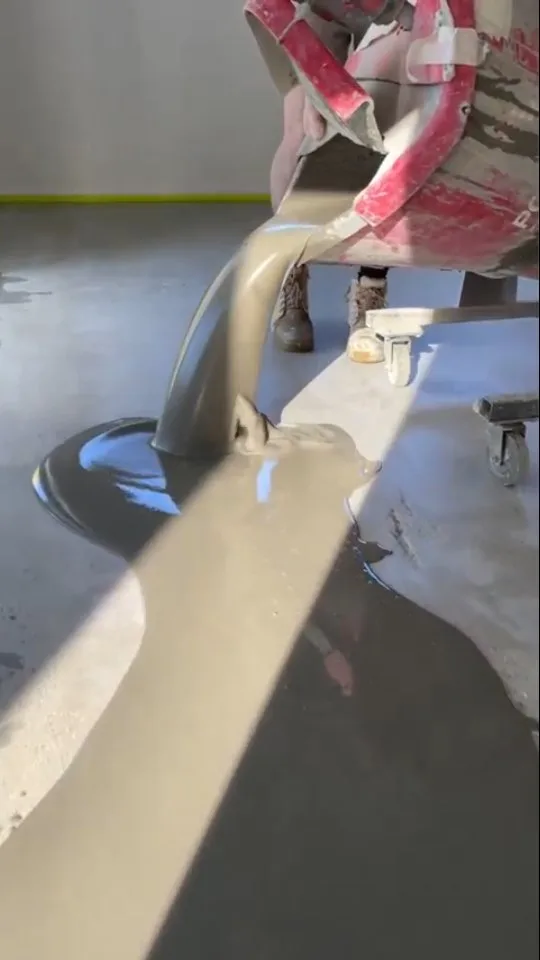
Our team carries out a detailed assessment of the substrate, drain locations, and required gradients before forming controlled falls to floor wastes and strip drains. Using professional screeding and self-levelling systems, we shape the surface to guide water efficiently while maintaining a smooth, stable base ready for waterproofing membranes and tile installation.
With experienced technicians, precision equipment, and strict attention to detail, Floor Levelling Sydney delivers compliant, consistent, and dependable falls for wet areas across residential and commercial projects.
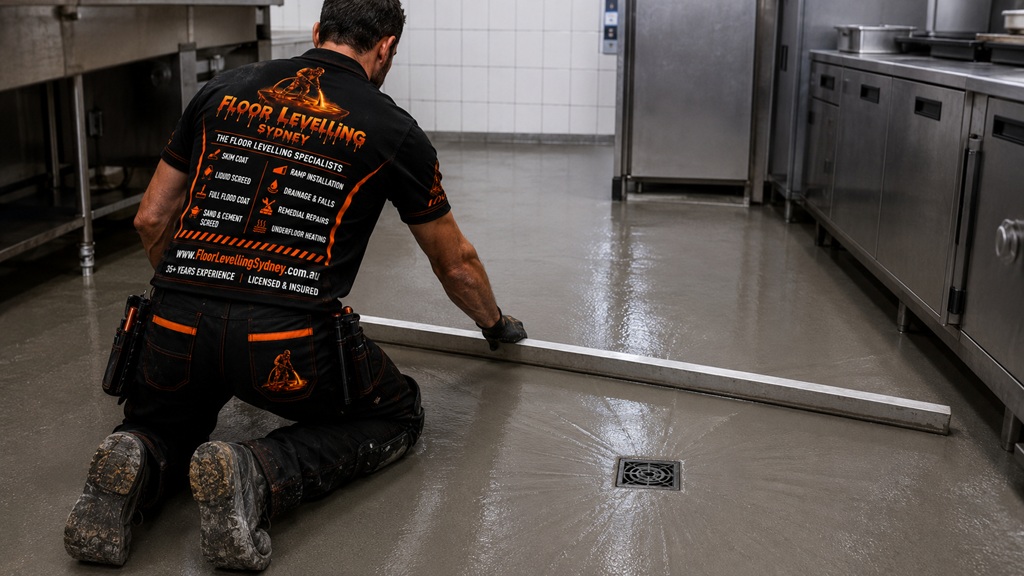
Our Falls For Wet Areas Process
At Floor Levelling Sydney, we follow a detailed, step-by-step process to form accurate falls for wet areas, ensuring correct drainage and reliable preparation for waterproofing and tiling.
INITIAL ASSESSMENT & DRAINAGE REVIEW:
Before any work begins, we assess the condition of the existing substrate, drain locations, and required falls. Where necessary, moisture testing is carried out to ensure the selected system is suitable for wet area conditions and compatible with waterproofing requirements.
SURFACE PREPARATION:
The subfloor is thoroughly cleaned to remove dust, adhesives, coatings, contaminants, and loose materials. Proper preparation is essential to ensure strong bonding and consistent performance in wet areas.
CONCRETE GRINDING & PROFILE ADJUSTMENT:
Using professional-grade grinding equipment, we remove high spots, surface laitance, and irregularities. Grinding is also used to assist in correcting existing slopes or preparing the substrate for new falls.
PRIMING THE SUBSTRATE:
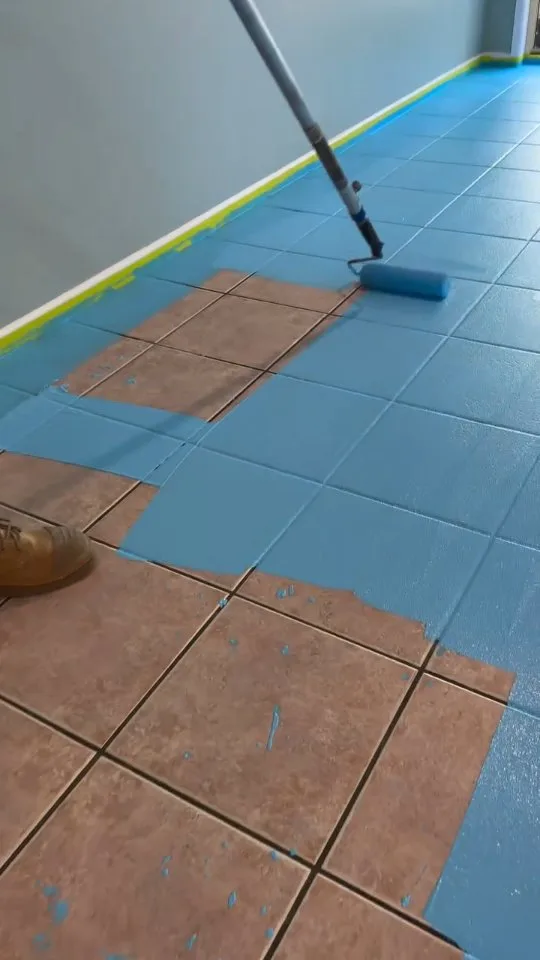
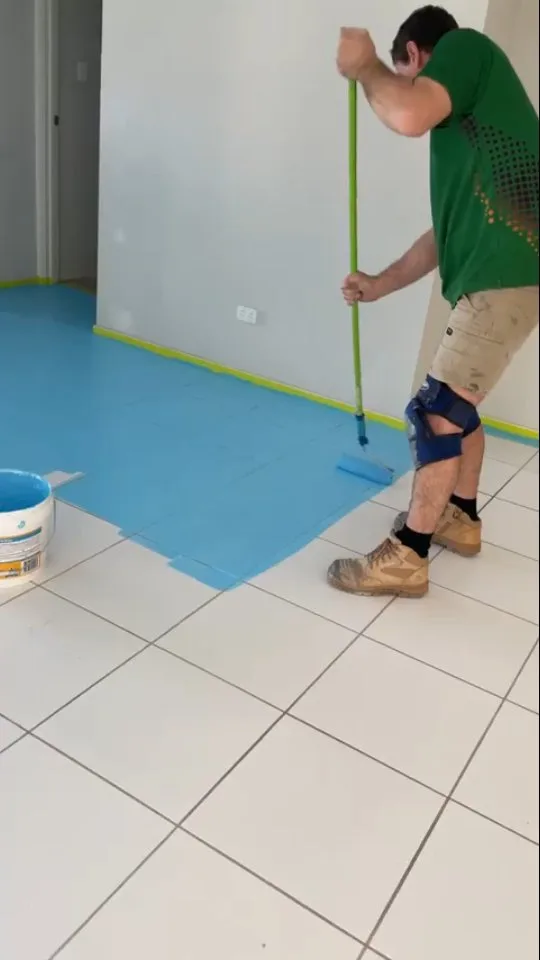
A high-quality, manufacturer-approved primer is applied to regulate absorption and promote strong adhesion between the substrate and the levelling or screeding materials used to form falls.
FORMING FALLS & DRAINAGE GRADIENTS:
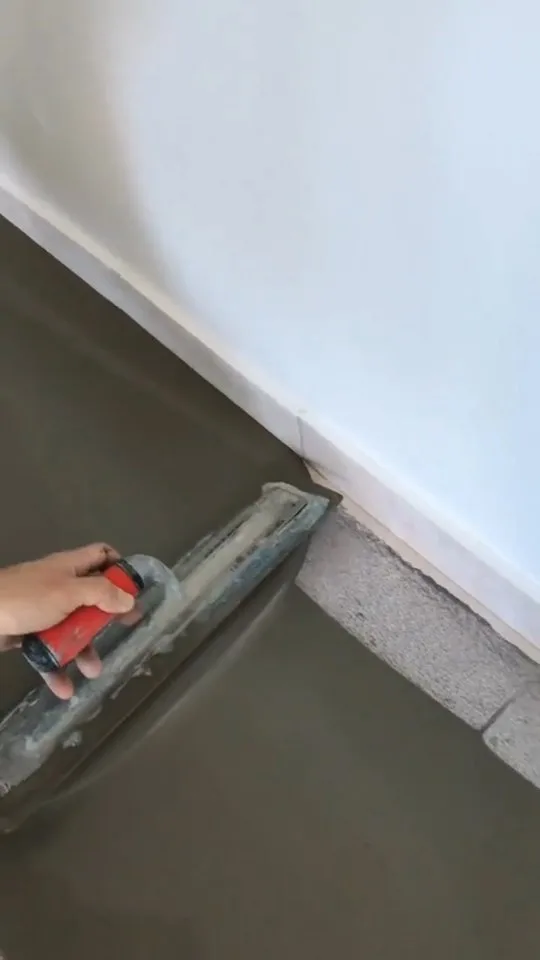
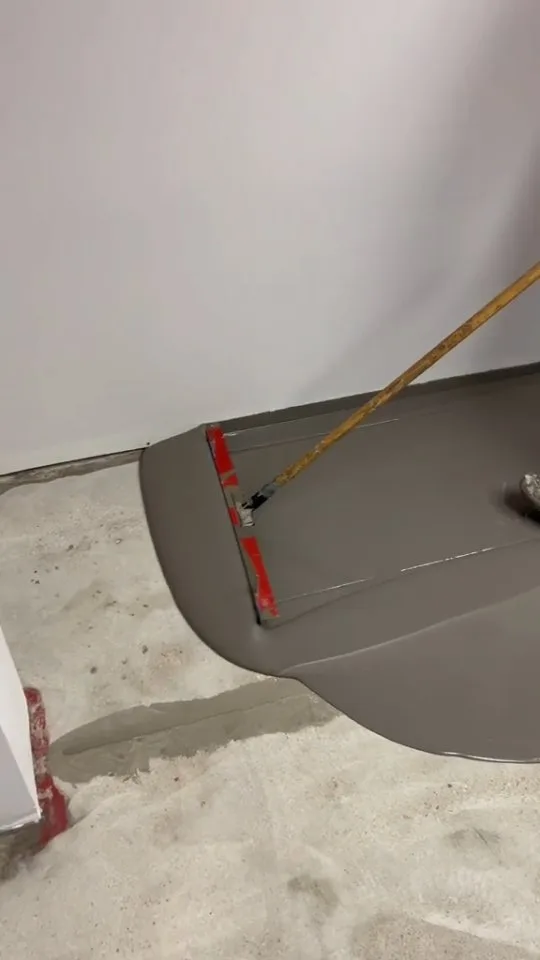
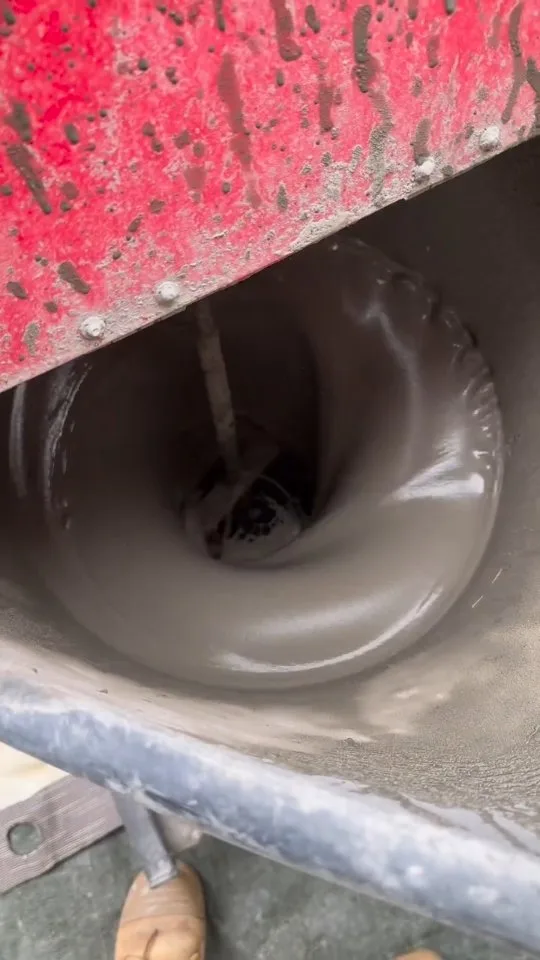
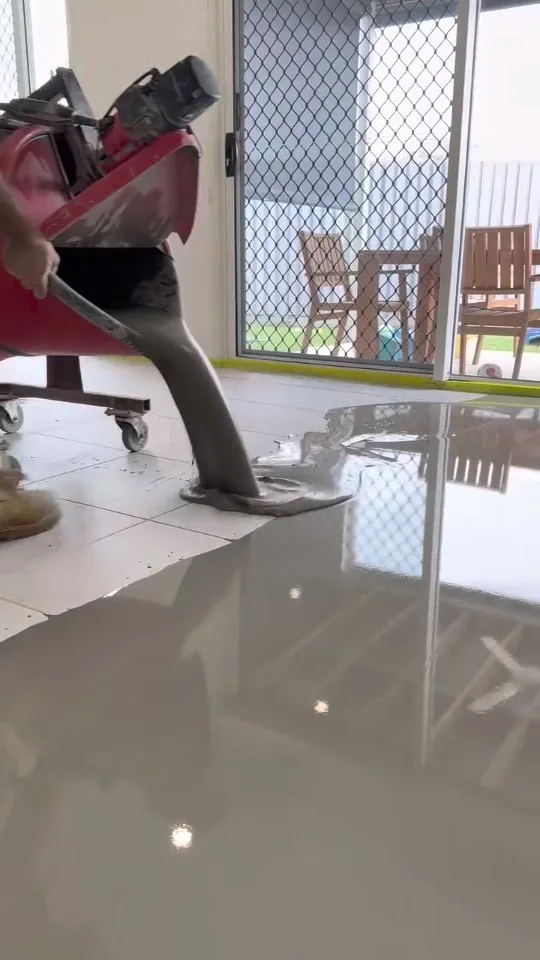
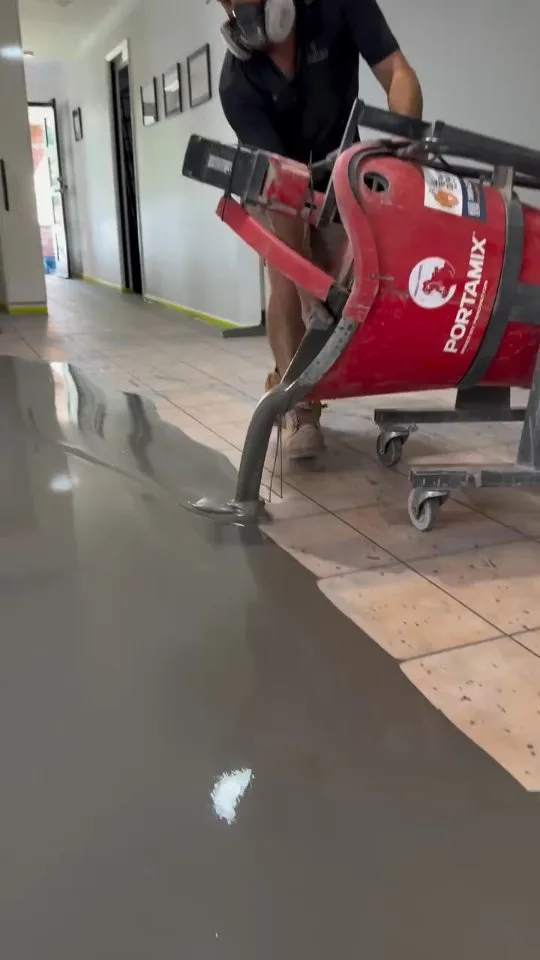
Using professional levelling and screeding systems, we carefully form controlled falls toward floor wastes or strip drains. The surface is shaped to guide water efficiently while maintaining a smooth, stable base ready for waterproofing membranes and tiling.
CONTROLLED CURING & PROTECTION:
Once the falls are formed, the area is allowed to cure under controlled conditions. The surface is protected from premature traffic or disturbance to preserve fall accuracy and surface integrity.
FINAL INSPECTION & DRAINAGE CHECK:
After curing, we carry out a final inspection to confirm fall accuracy and drainage direction. This ensures water flows correctly toward drains and the surface is ready for waterproofing and tile installation.

Falls For Wet Areas – Before & After
This before-and-after example highlights the difference achieved through professional falls formation for wet areas, correcting drainage issues and preparing the surface for waterproofing and tiling.
Before works commence, the substrate may appear flat or uneven, with insufficient or incorrect falls that can cause water pooling, poor drainage, and long-term moisture problems. Surface contamination, minor damage, or inconsistent levels can further compromise wet area performance.
After preparation and the formation of controlled falls, the surface is shaped to direct water efficiently toward floor wastes or strip drains. The finished result provides a smooth, stable, and compliant base ready for waterproofing membranes and tile installation, clearly demonstrating the importance of accurate falls in wet area construction.
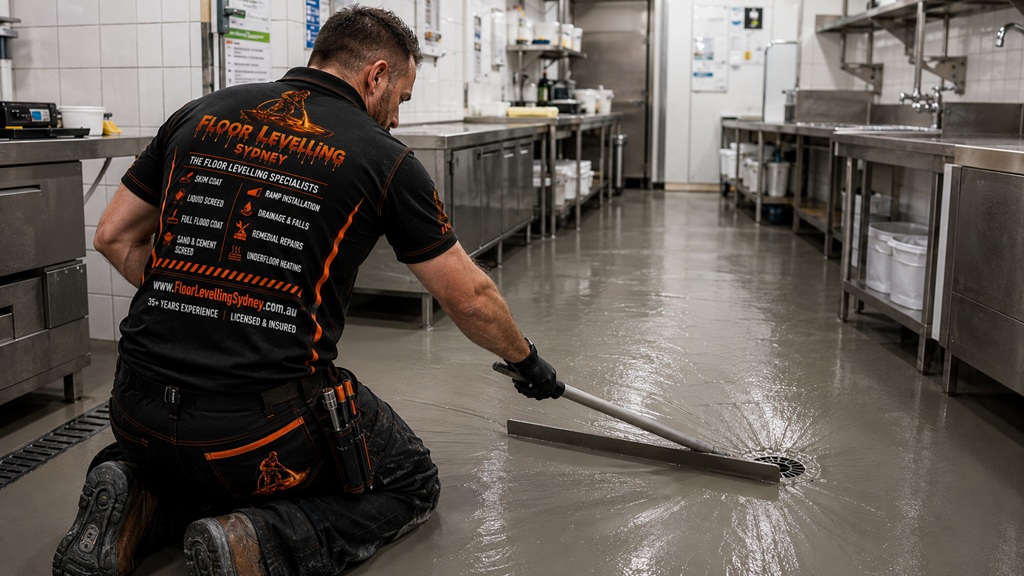
Our 2-Year Falls Installation Warranty
All falls for wet areas work carried out by our team is backed by a 2-Year Installation Warranty.
This warranty covers the quality of substrate preparation, falls formation, and workmanship, ensuring works are completed in accordance with manufacturer requirements and relevant Australian building standards.
The warranty applies to both residential and commercial projects and reflects our confidence in the systems we install and the expertise of our technicians.
When formed correctly and used as intended, our falls systems provide accurate drainage performance and a stable, compliant base ready for waterproofing membranes and tile installation.

Our Falls For Wet Areas Equipment
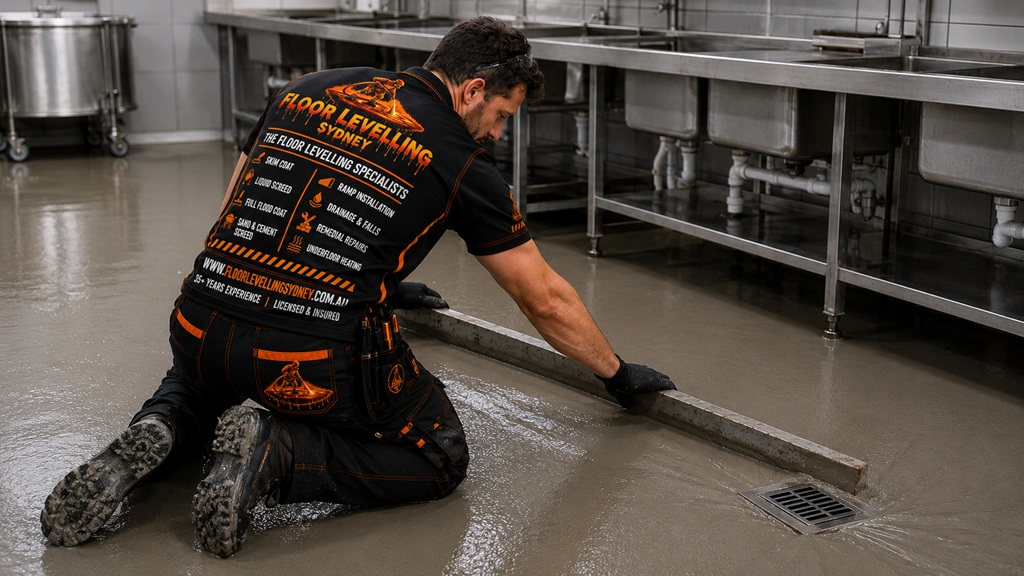
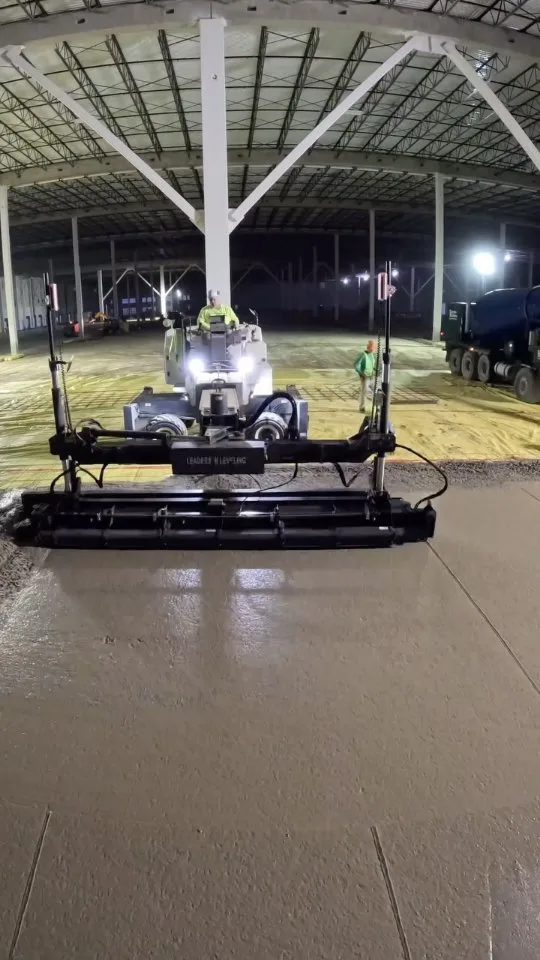
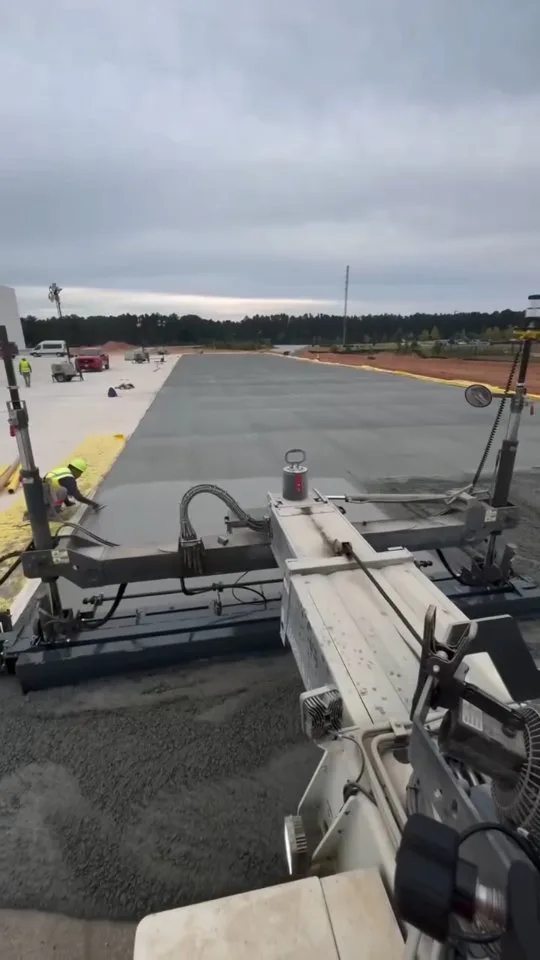
We use professional laser levels, height-control systems, screeding bars, gauge rakes, smoothing tools and surface-preparation equipment to form accurate and consistent falls toward floor wastes and strip drains.
Where required, concrete grinding and commercial dust extraction equipment are used to remove high spots, contaminants and unsuitable surface material before primers and screeding systems are applied. This helps provide a clean, stable and properly prepared substrate for waterproofing and tiling.
Areas We Service Across Sydney
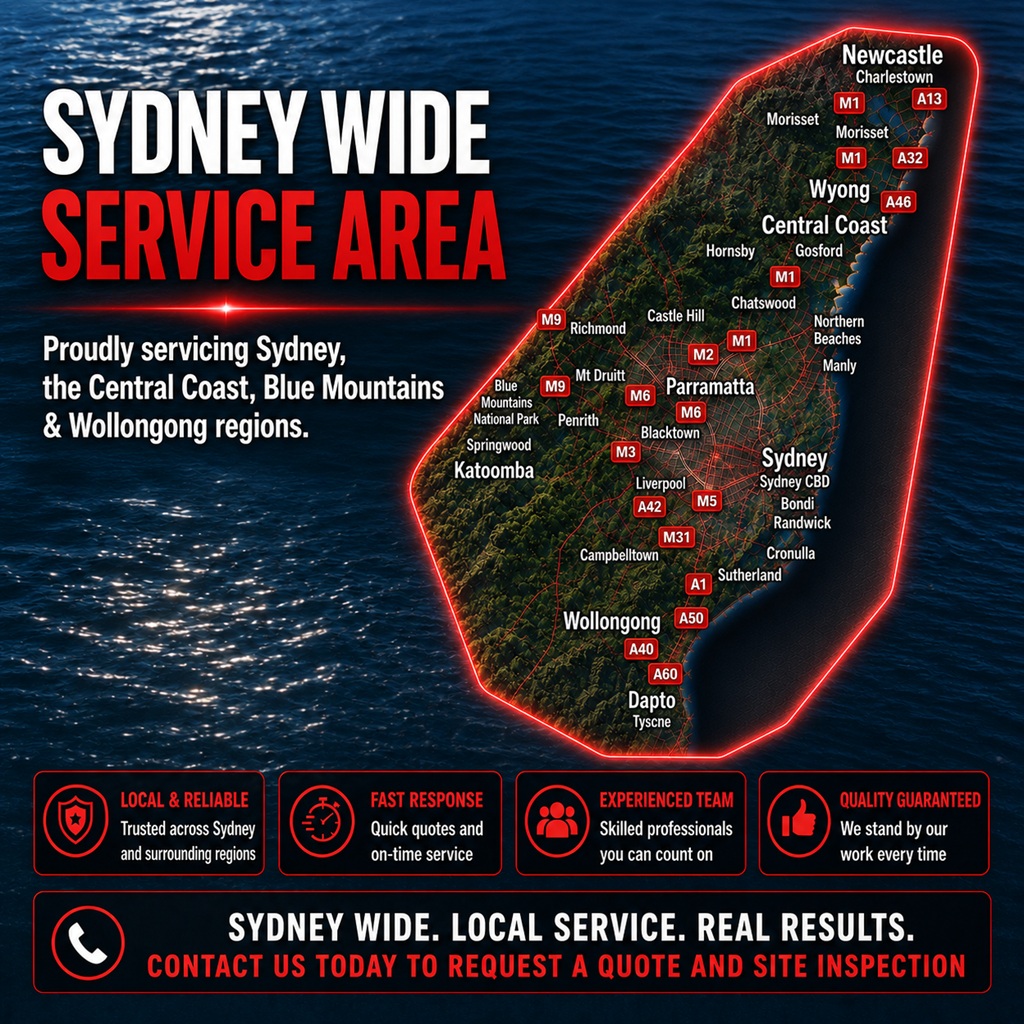
Floor Levelling Sydney provides Falls For Wet Areas services across Sydney, Greater Sydney, Newcastle, Wollongong, and surrounding service regions.
We commonly service:
– Sydney CBD
– Inner West
– Eastern Suburbs
– Northern Beaches
– Lower North Shore
– Upper North Shore
– Northern Sydney
– The Hills District
– North West Sydney
– Ryde
– St George
– Sutherland Shire
– South Sydney
– South West Sydney
– Western Sydney
– Greater Western Sydney
Common service areas include:
– Chatswood
– North Sydney
– Ryde
– Parramatta
– Castle Hill
– Bella Vista
– Hornsby
– Brookvale
– Mona Vale
– Bondi
– Randwick
– Mascot
– Botany
– Alexandria
– Miranda
– Hurstville
– Kogarah
– Liverpool
– Bankstown
– Campbelltown
– Blacktown
– Penrith
– Wetherill Park
– Silverwater
– Seven Hills
– Prestons
– Ingleburn
We work across residential homes, apartment buildings, strata properties, commercial buildings, industrial sites and government properties.
Quality, Compliance & Wet Area Falls Standards
Our wet-area fall specialists complete every project with a strong focus on accurate drainage assessment, proper substrate preparation, controlled gradient formation, material compatibility, and long-term performance.
Our process for forming falls in wet areas is designed to align with manufacturer specifications, project requirements, relevant Australian Standards and the National Construction Code, where applicable, as well as accepted industry practices for wet area preparation, drainage, waterproofing, and tiling.
This helps ensure:
– Accurate assessment of existing floor levels and drainage requirements
– Correct positioning and direction of falls toward floor wastes or strip drains
– Accurate control of screed thicknesses, gradients and finished floor heights
– Strong adhesion between the existing substrate and the selected screeding system
– Correct application of compatible primers, screeds and levelling materials
– Reduced risk of water pooling, ponding or flowing away from drainage points
– Improved support for waterproofing membranes and tiled finishes
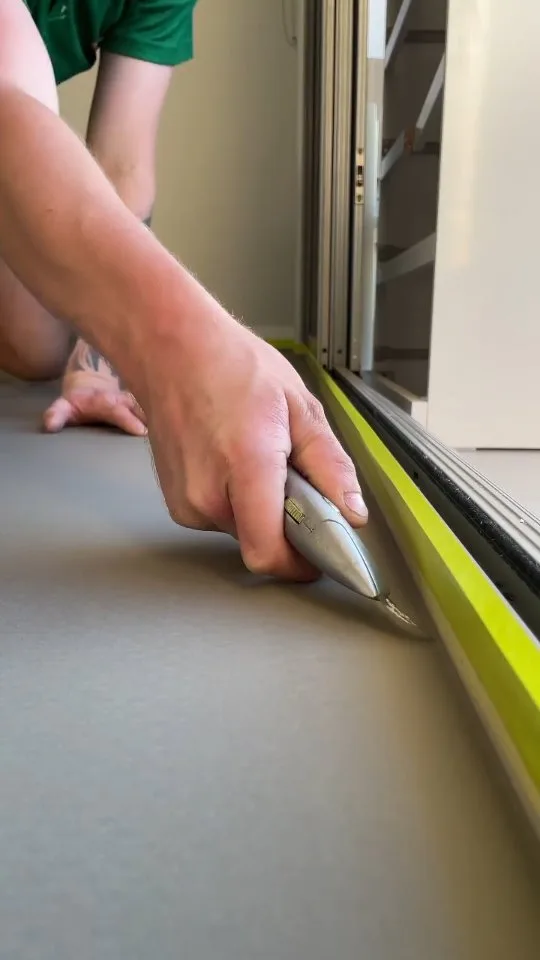
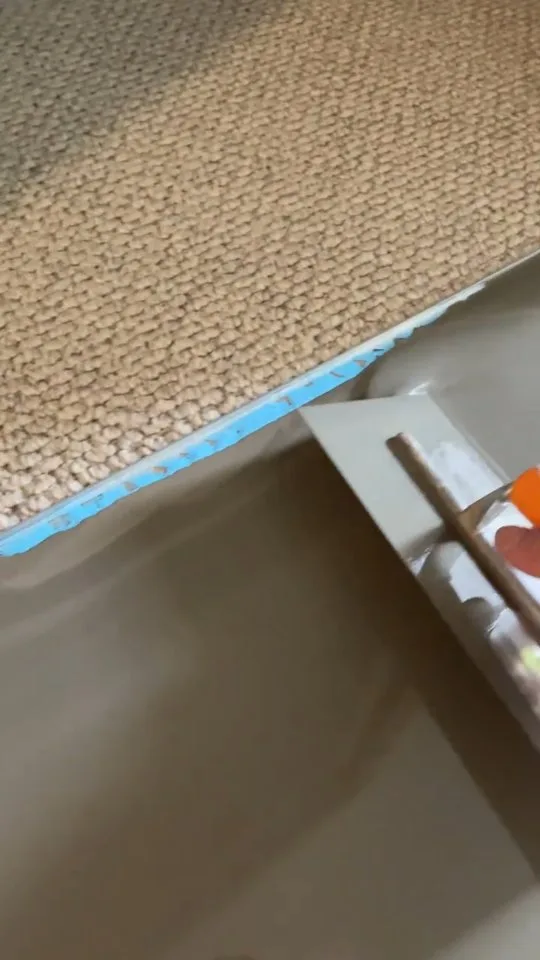
– Smooth transitions around drains, doorways, thresholds and adjoining surfaces
Once the substrate has been properly prepared, compatible screeding or levelling materials are applied and shaped to form controlled falls toward the required drainage points. The completed surface is then checked for fall accuracy, drainage direction, surface stability and readiness for waterproofing and tile installation.
This careful approach helps create a reliable foundation for the complete wet area system while reducing the risk of standing water, drainage problems, waterproofing failure and premature deterioration.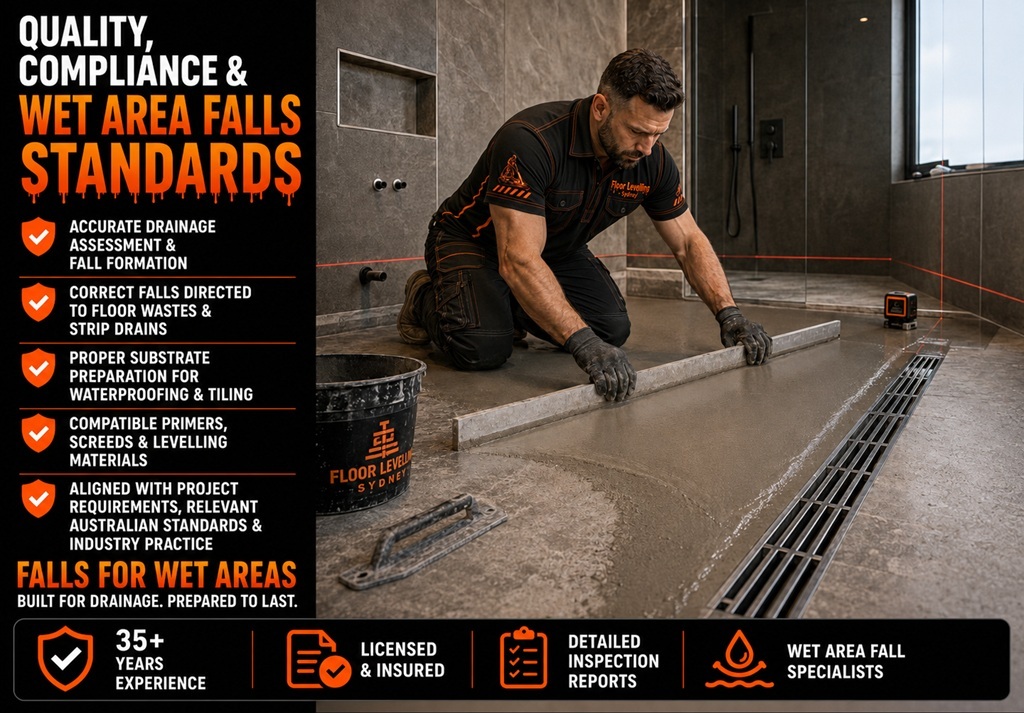
Book A Wet Area Falls Inspection In Sydney
If you have noticed water pooling, slow drainage, uneven flooring, incorrect gradients or water flowing away from a floor waste, it is important to assess the area before waterproofing, tiling or other floor finishes are installed.
Floor Levelling Sydney can inspect the wet area, assess the existing substrate and floor levels, confirm the location of drainage points and provide a clear quote for substrate preparation, wet-area screeding, floor levelling or the correction of existing falls.
Call or text 0424 408 330 to book a wet-area falls inspection or request a quote in Sydney.
Our Falls For Wet Areas FAQs
Below are answers to the most common questions we receive about professional falls for wet areas.
DO YOU NEED HELP WITH A SERVICE?
Fill out the form and our team will contact you!
"*" indicates required fields
FREE
QUOTE
Free Quote & Site inspection*
Conditions apply. *Cannot be used in conjunction with any other offer.


FREE QUOTE CALL OR TEXT
0424 408 330
Trusted by Builders, Strata Managers & Property Owners
GET YOUR JOB BOOKED IN AND FINISHED TODAY !!
"*" indicates required fields
"*" indicates required fields
"*" indicates required fields